

How to structure basketball training sessions that actually transfer to games—it’s the question every serious trainer faces. You’ve heard it before, maybe said it yourself: “I shoot 80% in practice, but I can’t buy a bucket in games.” The problem isn’t effort. It’s how your sessions are structured.
Josh Fan has spent over a decade solving this transfer problem—including 10+ off-seasons working with NBA guard Jeremy Lin. As owner of Awaken Training, Josh developed a framework that bridges the gap between drill work and game performance. The key? Stop stripping the game out of your training.
In this episode of the CoachIQ Podcast, Josh breaks down his approach to structuring sessions that prepare athletes for competition, why traditional methods fail, and the critical skill most players never develop.
In this episode
- How to structure basketball training sessions around needs analysis and game film
- Why the gap between practice performance and game performance exists—and how to close it
- The constraints-led approach to skill development explained without jargon
- What 10+ years training Jeremy Lin taught Josh about off-season focus
- The underrated skill that elite players develop and average players ignore
- Why coaches should be guides, not prescriptive instructors
- Cultural insights from training players internationally
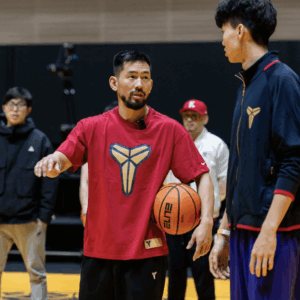
Why traditional basketball training session structure fails
Most basketball trainers have encountered this scenario. A player comes to them frustrated: great in workouts, struggling in games. They shoot well with no defender. They handle the ball cleanly in stationary drills. Then the game starts and everything falls apart.
The issue is how we structure basketball training sessions. Josh explains the disconnect by examining what’s actually different between practice and competition.
“If we just think about the skill itself of shooting in a game, what does a player have to decide on the court?” Josh asks. “Spacing, where is the defender in relation to me? Where are my teammates? Are my teammates open for me to pass to? Where am I in the game situation—is it the fourth quarter and the game is tied, or is it the first quarter?”
That’s five factors a player processes before every shot attempt—and traditional shooting drills address none of them.
The typical workout structure looks like this: pick five spots, make ten from each, work on footwork variations. Nothing inherently wrong with these drills. But there’s no decision-making, no reads, no defensive pressure. The player practices shooting in a vacuum, then wonders why the skill doesn’t appear when context returns.
“You can see why there’s a missing gap,” Josh says. “There’s no decision-making. There’s no making reads.”
How to structure basketball training sessions: Josh’s framework
Every individual workout Josh runs starts long before the player steps on the court. The foundation is what he calls a needs analysis—understanding what the player actually needs based on their game situation, not just what they think they need.
“The first thing I’m always trying to identify is what we’re trying to accomplish or what is the end goal in mind,” Josh explains. “Their age, their training age, how long they’ve been playing basketball and why are they coming to you.”

Step 1: Watch the game film first
For any player he works with, Josh reviews their previous season’s footage before designing training sessions. He focuses specifically on turnovers, missed shots, and successful plays.
“I want to see the type of things that they’re experiencing on the court so I can make our session as representative as what they might see and have the skills that they need to be successful in those situations.”
This film study reveals patterns. Maybe a player struggles against physical defenders who deny the ball. Maybe they turn it over consistently when trapped in the corner. Maybe their shooting breaks down specifically on catch-and-shoot opportunities off screens.
Each pattern suggests how to structure the training session that follows. And keeping detailed client notes and session history means you’re not starting from scratch every time—you can track what’s working and adjust accordingly.
Step 2: Structure basketball drills to match complexity to the player’s level
The workout itself introduces complexity appropriate to the player’s development stage. Advanced athletes get more decisions to make, more scenarios to navigate. Beginners might only need to read one thing—defender close or giving space, shoot or drive.
“Based on the player’s training age, that’s what will dictate what the workout looks like,” Josh explains. “If it’s a very advanced athlete, we’re gonna add more complexity, more decisions. The lower level the player is, the less variable we make it.”
This is the constraints-led approach in action: rather than prescribing exact solutions, Josh manipulates the training environment to help players discover effective solutions themselves.
Step 3: Structure sessions to keep the game in the training
Josh’s early training philosophy looked like most traditional approaches: heavy individual drill work, lots of reps on specific skills, minimal live play. The result was limited transfer—skills practiced in isolation didn’t consistently show up in games.
“You can train all you want, but if you’re not in game situations or you’re not playing the actual game, you’re doing a huge disservice to yourself,” Josh says.
For Jeremy Lin, this meant restructuring off-seasons to prioritize live play. Josh describes driving five hours to find high-level runs in LA during one off-season—not for specific skill work, but for quality competition.
The practical takeaway when structuring basketball training sessions: individual work has its place, but five-on-five, three-on-three, and one-on-one should be non-negotiable components. This is also why reducing time spent on admin work matters—the hours you save on scheduling are hours you can spend finding quality runs for your players.
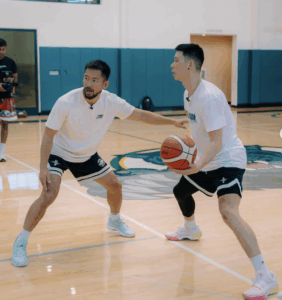
The constraints approach: how to structure basketball training sessions using environment
Josh shares a story that illustrates why constraints often work better than verbal coaching cues.
He was working with two players on a simple drill—make two in a row, move one spot, work around the arc. From the corner to the top of the key, both players struggled. Lots of short misses, inconsistent mechanics. Josh tried external cues: get your arc higher, hit the back rim. Nothing clicked.
Then he tried something different. No verbal intervention—just constraints.
One player had a flat shot, releasing with an upper-body-dominant motion. Josh stood in front of him with hands up. If the player shot flat, the ball would hit Josh’s hands.
The other player had the opposite problem—extremely high arc but rotating his entire body, landing several feet forward. Josh stood where that player typically landed. The only instruction: don’t land on me.
“They hit 12 shots in a row,” Josh recalls. “The kid who was over rotating, when he hit his seventh or eighth shot, he just started cackling. He was like, ‘It’s going in. My shot, I’m hitting every shot.'”
The shots went in without conscious thought about mechanics. The constraint—Josh’s physical presence—took away the problematic solution and allowed effective alternatives to emerge naturally.
This principle should shape how you structure basketball training sessions: sometimes the environment teaches better than words.
The Jeremy Lin lesson: focus beats scattered effort
Josh has worked with Jeremy Lin since college and managed his off-season development throughout his NBA career.
Early on, their approach looked like what most ambitious players attempt—extensive documents with 27 bullet points of things to improve. The realization came quickly: trying to improve everything means improving nothing effectively.
“Now we’re more hyper focused,” Josh says. “We try to have one overarching priority for offense and defense and how we are going to attack that during the off season.”
One focus on offense. One focus on defense. That’s it—even at the NBA level with full-time training availability.
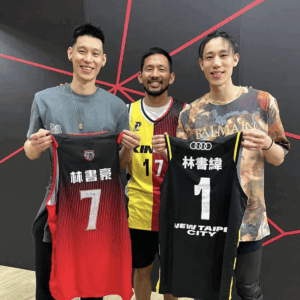
The skill nobody trains: reflection in basketball training sessions
Josh identifies one capability that separates players who accelerate from those who plateau: deep reflection.
“One thing I see lacking in a lot of players today is the ability to reflect deeply on what’s going on,” Josh observes.
The problem starts immediately after workouts. Players grab their phones, open Instagram, and mentally move on. But as Josh notes, “You’re only limited by how many hours you can work out. You’re not limited by how much you can think about the game.”
He tests this during sessions. After missed shots, he asks: “The last three misses, where’d you miss?” Many players can’t answer—they haven’t tracked the pattern.
“The best players can solve the most problems on the court. That comes from reflection.”
Some trainers build post-session reflection into their workflow. Tools that centralize player information make it easier to document observations and reference them later.
Structuring basketball training sessions for long-term development
One final lesson from Josh’s work with Jeremy Lin: effective training structure anticipates future needs, not just current weaknesses.
As Lin approached his 30s, Josh noticed changes in his first-step speed. Rather than just training to maintain what Lin had, Josh started building skills Lin would need as his athleticism evolved.
“I had to think about if he wants to play to 37, 38, what does he need to change? What happens when you lose speed?”
The answer: extended range. Shooting from four-point distance forces defenders to guard tighter, which opens driving lanes that slower first steps can still exploit.
Similarly, Lin’s explosive driving style meant constant contact with the floor. One season, they tracked how many times Lin hit the ground per game because of how it affected recovery.
The training response: develop floaters, single-leg finishes, mid-range options. Ways to score effectively while hitting the floor less.
When structuring basketball training sessions for younger players, think ahead. The skills that serve them at 16 may not serve them at 26. Training should build toward the player they’re becoming.
Listen to the full episode
Josh Fan’s approach represents a shift in how elite trainers structure basketball training sessions—from prescriptive instruction to guided discovery, from isolated drill work to representative training, from scattered improvement attempts to concentrated focus.
For coaches looking to help their players bridge the gap between practice and games, the principles here offer a starting point: watch the film, understand what players actually face, and design training that prepares them for those specific challenges.
If you’re running a training business while trying to implement this level of intentional coaching, systems matter. Check out how Tyler Leclerc built scalable systems while growing to two facilities—many of the same principles apply.
Structuring effective training sessions requires time—time you lose to scheduling texts and payment follow-ups.
The trainers doing this level of intentional work aren’t managing their business through text threads and Venmo requests. They’ve systematized the admin so they can focus on what matters: developing players.
CoachIQ handles the business side so you can structure training sessions that actually work:
- Automated scheduling eliminates back-and-forth booking so you can spend that time on film study
- Payment processing runs in the background—no more awkward payment conversations
- Client management keeps player notes, session history, and progress tracking organized for your needs analysis
The best trainers aren’t just good coaches. They’ve built systems that give them the headspace to coach at this level.
