Podcast
How to host a basketball camp that adds revenue to your program
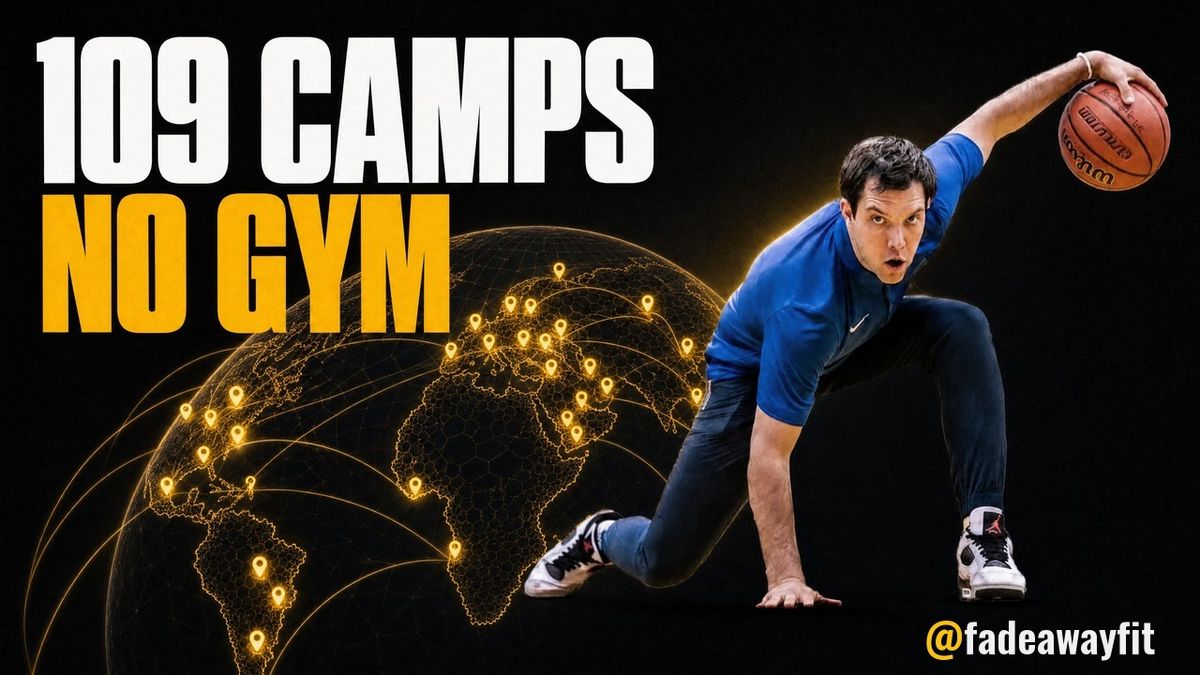
Jeremy Hays ran 109 camps last year without owning a gym. Here is what he charges a host, and what the host keeps when the room is full.
A camp is one of the few ways to make money from a gym you already pay for. Learning how to host a basketball camp is really learning one piece of math: the visiting coach costs a fixed amount, and everything the room brings in above that is yours.
Jeremy Hays, who coaches know as Fade, ran 109 basketball camps last year and does not own a gym. He has taken 88 flights and hit 14 countries since January, with Japan, Kazakhstan, Singapore, Saudi Arabia, Lebanon, Bolivia, Switzerland and Spain still on the calendar. He works out of other people's buildings for a living, which means he has run the host side of this deal a few hundred times. He came on to say what he charges, who has to fill the room, and what the host keeps.
What does hosting a visiting coach actually pay you?
The coach is a fixed cost. The room is not.
Jeremy charges a flat fee for the day plus travel, so the host knows the whole bill before anyone books a flight. Everything the room takes in above that is the host's. He is blunt about the size of it, and about the catch.
"You could make five thousand, ten thousand dollars just by opening the gym for me," he says. "But you got to do a lot of work to get to that point."
Both halves matter. The ceiling is real and so is the work, and the work is almost entirely filling the room.
What does it cost to bring a coach in?
Three line items: flights, hotel, and the event fee.
Travel has been on the host from the beginning. "You want me to come run an event there, but you want me to go out of pocket and spend thousands of dollars? Probably not gonna happen," he says.
The fee itself is priced by day. "I have a tier system of it costs this much amount of money plus the flight and hotel." A one day event and a two day event are different numbers, and he has raised those numbers steadily since 2021. If you are working out your own numbers on the same logic, our guide to pricing private training sessions uses the same starting point.
What you are buying is a day you do not have to run. He works the floor, and the host works the building.
Why did he stop splitting camp revenue 50/50?
Because a revenue share punishes the person who did the work, and early on that person was usually him.
He started on a 50/50 split after expenses. Then he flew to the Carolinas for a two day camp at a friend's gym.
"There was six total kids," he says. "And I was like, I'm going 50-50 on six total kids for two days."
Flat fees started right after that camp, and for a host the switch is good news. A split caps your upside at half no matter how well you fill the gym. A flat fee caps your cost and leaves the rest alone, so the host who can actually call fifty families is the one who wins on it.
How do you host a basketball camp that clears real money?
Price the day, count the seats, and know your list before you agree to a date.
Most of how to host a basketball camp profitably is arithmetic you can do on a napkin. Add the fee, the flights and the hotel, divide by your camp price, and that is how many registrations put you at break even. Every athlete after that is margin. Jeremy has watched hosts run up the score.
"The people that hosted me made triple what I made," he says. "But I was okay with that because I got what I needed." Then, about those hosts: "They did a lot of work to get to that point."
The practical version is capacity and collection. Set the number of spots you can actually coach in the space, take payment at registration rather than at the door, and keep a waitlist once it sells out. A camp that sells out with names still coming in has already told you what to book next. Most facilities run that through scheduling software rather than a sign up sheet, to avoid chasing money on the morning of.
Who has to fill the gym?
You do. He says so before you can get it wrong.
"This is gonna be as big as you want it to be," he says. "I don't live in Kazakhstan. I don't live in Japan. You're gonna have to push to get kids, the sign-ups, registrations, all that stuff. I'll help you promote it. But my Instagram only goes so far."
A visiting coach with a large following is not a local marketing department. His audience proves he is worth attending, which is a real contribution, and it does not reach the parents in your zip code. Your list is the ceiling on the day.
Which gives you the order of operations. Work out who you can call first, then pick the date. A host who books a date and starts promoting from zero is the host who breaks even.
How do you vet a coach before you pay for flights?
Use his own process, pointed back at him.
Jeremy does not take a booking off one message. He looks at your page first, trades messages about dates and goals, and then asks for a video call. "I'd like to see the person. I'd like to know you're a legit real person." Only later does money move. "Once I know we're booking the flights, that's when it's okay, let's go. This is pretty serious at this point."
He is filtering too. Plenty of his inbox is teenagers asking him to come to Morocco, and the requests that become camps come from people who can actually produce a gym and a roster.
So ask what you would want asked of you. What the day looks like hour by hour, how many athletes he can coach at once, what he needs from your staff, and whether he has run this age and size of group before. Any coach worth flying in has ready answers, and his content should show him teaching real groups rather than talking to a tripod.
What is the camp worth after everyone goes home?
More than the day's revenue, if you work the floor.
A camp pulls in families who have never paid you anything, which is the part hosts undervalue. "You might get 15, 20 new kids just come into the camp," Jeremy says. "And then after I crush it for you, now you can get that kid to join your gym or join your club."
That conversion does not happen by itself. Brandon Evans, who hosts this podcast and owns a training gym in Indiana, built his own book this way before he had a building, by putting a trainer on the floor and spending the camp talking to every single parent in the room.
Jeremy has seen the other version plenty of times, and he does not soften it. "You just basically hosted a camp for me to come in. Thank you, I appreciate it. But I want you to benefit off of it too."
So have the next step ready before the doors open. The program a camp family joins on Monday, the follow up that goes out that night, and someone whose only job that day is talking to parents. If that path does not exist yet, building the program around it is worth more than the camp fee.
Should you ever host a basketball camp for free?
He did it once a year, out of his own pocket, and he calls it one of the best things he ever did.
"I would hold a free camp every single year. I would go out of pocket, rent a six-court sports complex right up the road," he says. At its peak he moved over 400 athletes through in a single day across three or four sessions. Nobody paid. Everybody registered.
"Whenever you came and signed up, I got your phone number, email, all that stuff. That means you want something."
He was buying a list. The families priced out of a paid camp still showed up, and they still handed over a number. "It's always going to be a no unless I try. So I would get people in the gym. Now it's how do you keep them in the gym?"
You have an advantage he did not, because you already pay for the building and some of its hours earn nothing. If you are working out how to host a basketball camp with no list to call yet, one dead Saturday run free, with registration at the door, is how you build it. Brandon Powell has run most of his camps free across 29 states on the same logic.
How do you turn one camp into recurring revenue?
Book the second one before he leaves.
One off camps are not what Jeremy is after. "I want to do this year after year, multiple times a year because that helps you and your athletes and your brand get bigger and better." Two or three visits a year is the shape he asks for, and a host who fills the room gets asked back.
The travel makes that easier than it sounds. He strings trips into tours now rather than flying home between each one. One July run went Dominican Republic, Puerto Rico, Lebanon, Belgium, France, Spain, then home. A date that fits an existing run is easier to say yes to.
There is also a small thing he does that tells you how the calendar gets filled. After a camp wraps he posts a story asking where he should go next, and four or five bookings can come out of one story. Coaches who answer early get the date.
The one thing he has not solved is the admin. He runs the whole operation alone, with no automated messages, and says the hardest part of the job now is "just scheduling and organizing it all together."
Where to follow Jeremy
Jeremy Hays runs Fadeaway Fitness out of northern West Virginia, and coaches know him as Fade. He has run camps in more than 24 countries and wants one in every country in the world.
Instagram: @fadeawayfit
Website: fadeawayfit.com
If you are hosting camps and want the registrations, waivers, payments and waitlist running in one place instead of three, book a free demo with CoachIQ. CoachIQ is trusted by 750+ sports coaches and training facilities.
Full Episode Transcript
Read the full transcript
The following is a lightly edited transcript of the episode above.
Brandon Evans: All right. Welcome back to another episode of the CoachIQ podcast. I'm your host, Brandon Evans, a facility owner myself, and we have Jeremy Hays, better known as Fade, here. Jeremy, I'm gonna let you go ahead and introduce yourself, tell us what you are, who you what you do nowadays. of course you post all the time on social media and people people see you know you running camps, running workouts, but what does a day in the life look like for you right now?
Jeremy Hays: Yeah. Well, first off, thank you guys for having me. Like I said, I really appreciate everything that kind of CoachIQ has done for me to get to this point, but also the platform that you're you know, running for, you know, all other skills trainers that are trying to get bigger into the space, trying to dive more into like the business end of things. So CoachIQ definitely does a lot for me, but also other skills trainers as well. So appreciate you guys. yeah, my name is Jeremy Hays. I mean, a lot of people just know me as fade for Fadeaway Fitness, Fadeaway Fit on you know, every social media, but started out as a you know just the local skills trainer guy and as things grew, especially via social media, things really took off. I started working with more and more kids, more and more athletes. and I was doing really well in person. I was I was running a couple of my own camps and events. when COVID hit, that's when I started to see the shift of, you know, my business and brand kind of taking off because You know, kids aren't kids aren't in the gym. Kids can't really work on their game with me. So I was like, how can I change that how I post on social media? And then how can I, you know, grow and get bigger after the off of that? And then after COVID, that's when things really started to kick of like, now hey, I'm starting to run these camps and events, and people from around the world are reaching out to me. So I guess you could call me a skills trainer, but I call myself like a global basketball teacher now, where all I do is travel for a for a living. So it's pretty, pretty good gig.
Brandon Evans: Yeah, no, it's it's so like interesting because you know, if you look at our CoachIQ social media and all of our conversations, like it's all like how to grow your facility, how to get a bigger facility, but like you have done quite literally the exact opposite of that.
Jeremy Hays: Sure. Yeah, I've had two facilities. I've had two facilities. I've done a lot of the in person stuff. And then as things have shifted and have grown, honestly, I think I get like classified more as the camps guy now. So I know people, you know, I think they see, you know, where I'm at and what I'm doing, and then they see like three days later I'm in a different country, you know, running another camp and everything. It's like, bro, I thought you were just you're right here. Like So which I kinda like that like mysteriousness of like, you know, you're gonna see me when you see me. That's what I kinda like.
Brandon Evans: Yeah. No, it is it is cool, like, you know, of course I view your content and stuff and I'm like, Is he actually there or is he just post something from like three months ago? Like is he just is he just stockpiling old content or like is he actually going to these places? Like you actually are going to these places
Jeremy Hays: Yeah, yeah. probably probably a mixture probably mixture of both. because I mean because I try to I try to get as much content as I can at each place. And then I'm like, all right, well, let's just say I know, especially Spain. Whenever I go to Spain, I'll have like fifty, sixty drills or breakdowns or whatever on my phone. Then it's just a matter of, well, I'm not gonna post it 50 straight days in a row. So I'm like, you know, when I'm at those places, I try to post content relating to those places. So But if I, you know, have stockpiled you know content on my phone, then that gives me something to, you know, go back to throughout the course of the year. But yeah, I do too much traveling. and a matter of fact, I'm glad we were able to do this podcast because I go to Tokyo, Japan tomorrow morning. So that'll be my next like, you know, big trip. So, but it's pretty crazy. Like I said, a lot of people just kind of see me on socials and it's you know, you're here, you're there, you're kind of everywhere. But I think I mean I honestly
Brandon Evans: Man.
Jeremy Hays: you know, very humble about it all, but I really live that lifestyle where, you know, every week I feel like I'm going somewhere else. So I've been to ooh, fourteen countries I think already this year. And still to come, still to come. I got Japan, I have Kazakhstan, I have Singapore, I have Saudi Arabia, Lebanon, Bolivia, Switzerland and Spain. So I got Eight more camps still just this year, and that takes me up until December 30th. And then at I immediately January 3rd, I go straight to Chile. So like it starts right back over the next year. So it is pretty wild how it really like started. And then how like we talked about social media, because I've never paid a cent for marketing, advertising, no ads, no anything. So all I've done, and people have just recently hit me up, other trainers, and I'm like
Brandon Evans: Crazy.
Jeremy Hays: I literally post videos and then I mean I think you gotta do a good job for people to, you know, wanna host you, want to bring you in, but also I'm like I feel like I'm true and I'm real and I'm genuine and to people and I wanna make, you know, your kid or your athlete or your program like better at basketball. So I'm not just coming to run a camp, you know, get paid and leave. I wanna actually establish a working relationship with these people where hey, how can we do this two to three times a year or every year? And then it just gets to a point where I grow a working relationship with you year after year after year. that's kind of how I've like thought about my new business model since I'm not a you know a facility owner anymore. So coming up at the end of this month will be one year to the date that I will not have my own gym, which is, you know, if you're a skills trainer, having your own location, having your own gym, that's huge. I mean, walk in, turn the lights on, run what you gotta do, turn the lights off, go. So I've been very fortunate to use local you know recreation centers i've been you able to use sports complexes i some of my clients just have gyms at their house which is insane but i've been able to market to the right audience when i'm home that the individual training and i don't mind doing the individual sessions i know you know you pay for your time at that deal but when i'm home i'll do a handful of individual workouts but i see the same kids week to week now because i get to see the progress of those kids and i'm only home so much So then after that, I'll do like one big large group class whenever I'm home. So anybody else, feel free. This is your time to kind of get in and then we can kind of work and grow your skills that way. So I have a really, really, really weird business model. but it but it works phenomenal for me. So that's the hard thing because I have the freedom and flexibility to you know pack up and travel. And I don't have a girlfriend, a wife, kids, anything like that. So that allows me to do that immediately. Whereas other people, hey, I want to travel. How do you do this? But they got a gym, they got kids and athletes to take care of every week. Then they have a, you know, a girlfriend or a wife. And then they get to, hey, they got one or two kids. It's a different scenario. So this past January, I was gone for 34 straight days. And then July into August, I was gone for 38 straight days, all camps and events and travel and this and this. That's not gonna work if you're, you know, in a relationship and you got kids and so it like I'm just in such a unique spot that, you know, it works for me. And I'm very fortunate enough to, you know, just maximize it and try to grow it. So I'm okay with being labeled as the camps guy because that's literally my life. That's literally my lifestyle right now. So it's just been kind of cool watching it like really grow from day one, year one to year three, four to COVID was the weird figure it out, but changed my social media to Right after COVID started these traveling camps. 2022, I did 35 camps throughout the course of the year, which that's already a lot. 2023 and 2024, I did 87 camps each year. So that was like a massive jump from 35 to 87. And then last year, 2025, I did 109 camps. So I'm like, this is crazy how it's you know, that I could see the trajectory of where. I think my true business was going. Now it's how do we, you know, maximize it while I'm, you know, while I'm home, while I'm, you know, trying to post on socials, while I'm trying to, you know, do everything. So yeah, I'm a one man show right now. I do the marketing, which is my socials. I do the booking. I do, you know, handling messaging. What I don't know. It's just a lot, but you know, it's enough for me and it and it and it works for me. It just it's a different business model that a lot of people probably wouldn't
Brandon Evans: That's yeah.
Jeremy Hays: Thrive with.
Brandon Evans: Yeah. No, it's it i it's just so interesting to hear kind of the behind the scenes of it and I'm personally I'm a social media guy. Like that's all I do here at CoachIQ. Like I do all the media for all the ads, all of CoachIQ, all the podcasts, everything. So like that's something I wanted to touch on because, you know, I'm I'm sure a lot of people are curious about it. I'm curious too. What is your w your process for your content. Like I know you get your content at the at the camps you run. but like when you're when you're editing these videos, when you're distributing stuff on the short form, do you do long form? Like what are w content pillars for lack of a better word? Like what do you look for when you're creating your content?
Jeremy Hays: Yeah, really, I shoot everything vertical. be because it's like how can I just take it and then apply it straight to you know, my social media and all that stuff. but also I like that for, you know, even just for short snippets on like stories. So I think that's huge. but yeah, I shoot everything myself. unless, you know, whichever camp it is hires a videographer, then cool. but yeah, I pretty much I shoot everything myself. I edit it myself. Which I do have a lot. I know I make it sound like I'm insanely busy, but I have a lot of downtime. I mean, I'm in an airplane for, you know, I'm the flight tomorrow's Pittsburgh to Dallas and then Dallas straight to Tokyo, which is 14 hours. So I got a lot of downtime on the plane. So while I'm in while I'm in airports, when I'm in, you know, you know, in the planes a lot, especially, but then how a lot of times I'll do it is like just because I know I'll forget. If I'm like laying in bed at night, then I'm like, hey, let me edit this video real quick and it'll take 10 minutes or whatever. And then I have it ready for the next day tomorrow. And then let's just all right, let's post it out let's go. So yeah, I don't know. I don't I don't truly I don't know if this is good or bad to say, but I don't really have a good plan. I just live in the moment and just do, you know? And I feel like that's, you know, kind of how I live my life too. It's I'm not trying to be anybody fake. I'm not anything. I'm just You know, wanna live and be truly genuine and be present, I think is another big thing. I want I wanna be where my feet are at. So like if I'm with a group of people at a dinner event or if I'm with people at a AAU event or something, I wanna be there. I won't I don't wanna be, shoot, I gotta do this, this, this, this, this. So I wanna truly be like, you know, present with all people because I want them to be present with me as well, you know? So I don't know. I just I just kind of f go by the seat of the pants and just
Brandon Evans: Yeah. Yeah. No, that's
Jeremy Hays: How can I how can I get something up? I think at least one thing each day around the like ten to eleven AM East Coast time in the States, that's when I try to post for me. And that works for me. Like I said, I don't know if it works for everybody else, but you know, I can't worry about everybody else. So
Brandon Evans: Yeah. No. Every creator I talk to, every everybody I talk to about content, it always comes back to just post at least once a day. and I love your point about just being present with people because, you know, it like you have a you've large following online, so people probably think like, he's just on this phone all the time, like he's he's just doing everything for content, blah, blah, blah, blah. But If you actually look at your content, like you said, like you're not like at dinners and everything, like I just doing this with everybody. you do a really good job of like you said, just recording it and being able to just be present with what you do. and being you, which is another thing. Like people will think content like and you can you can tell when people record certain certain pieces of content, you're like, that's n that's that's not you, man. Like
Jeremy Hays: Yeah. Yeah. Cause that's the thing. Like when I first got started, like I was like, man, maybe I'll do more of the entertainment, the skits, all this type of stuff. Anything, you know, to help grow. And which is fine, you know, that works for some people. But then I got to the point where I was like, All right, well, let me set up a tripod in my gym, and then there's nobody else here, and I'm just and I'm like, I'm teaching to the camera, I'm not teaching to somebody. So, like when I go to these camps and events and stuff now, I just basically, hey, take my phone and then hit start. Hit keep me in the middle of it. You know, bare minimum, simplest that you can do. But now I'm not teaching to the phone now. I'm teaching to the athletes or the coaches that are around me. So now, yes, I'll be mic'd up. Yeah, I'll have it all professional. But at the same time, I'm like, I'm trying to run an event here. I'm not trying to teach to a camera right now, but the camera catches me doing it in action live. So I'm like, that's so much, you know. more real and I think authentic. And I think people catch on to that, especially new people that are reaching out to me for hey, I'm trying to vet for a camp. How what are you gonna run? What are you gonna do? I'm like, well, how did you find me? I'm like, they still probably say Instagram. I'm like, we'll scroll through my Instagram and that's what we're gonna do. We're gonna do actual drills and breakdowns and play live and all that stuff. So I think it like I and I'm not listening I'm not perfect by any means. But at the same time, like I have just found something and I think I've created a niche that works for me. In a in lane or an avenue that, you know, I was able to thrive in, which are the camps market. So I'm like, how can I now maximize that? And now I'm at the point I love to travel. So I'm like, how can I pack up and travel and run basketball camps, you know, and get paid while I'm traveling? No brainer to me. So yeah, it's just pretty crazy. Like I said, I'll show my dad like my WhatsApp messages sometimes. And it's like all of these countries that I've never heard of, he's never heard of. And I'm like, how are they finding you?
Brandon Evans: Yeah. I hope so.
Jeremy Hays: But he don't he's a little older. He doesn't understand the true like model behind social media and everything. And I don't know. It's just it's a different, it's a different mindset, different like business model than I guess normal people, you know, would associate with yourself. Where, hey, yes, I'm a basketball trainer. First off, that's already a weird industry to people already. So I'm like, okay, well, I travel and I dribble for a living and I yell at kids. Like, that's it. You get paid off that? Yeah. I you know, I figured out a way to make it make.
Brandon Evans: Yeah. Ha. Sure do.
Jeremy Hays: You know, make monetize it. Like, so it's just a really cool, I think, avenue that not many people have really indulged into. And I'm very fortunate that, you know, I'm doing well at it.
Brandon Evans: Yeah. No, do you in your content w I know you say you don't do any marketing, which is insane in the first part? Like that's r insane. But do you make it an effort to like post like in your like everyday content, do you say like, Hey, come run a camp with me or is it just something like do you have it in your bio? Like how do these coaches
Jeremy Hays: Ha.
Brandon Evans: Like how do I go to your page and see like aside from your actual content, obviously, like how can I hire this guy to come out to me? 'cause that's not necessarily like a normal thing, you know, hiring somebody to come out and bring them to camp. So to have like a hundred plus people, of course I'm sure some of those are re returning from previous years, how do you plant that seed in their head that's like, I should pay this guy to come here and run a game with my kids?
Jeremy Hays: Right, right. Right. Well, I mean, I say my Instagram bio first off the top. It already says that, okay, well, I'm a basketball skills trainer that, you know, I do I do I do camps and events all over the world. I've been to 24 countries, blah, blah, blah, blah, blah. So now before people even see any video, if they just look at my bio, they would already know what I do. So basketball skills trainer that I said I'm all over the globe. Okay, great. I said, hey, let's set up and run a camp and do it with me. Great. Then it says, Hey, I've been to, you know, over 20 some countries. Great. So it now it I think it tells the viewer that, hey, I'm serious about basketball. I travel all over the world and I help athletes by running camps and vents. Let's one let's run one together. So then a lot of my content, every once in a while I'll do like I'll film like, you know, an individual session or something like that where it's it ain't even of me. It's really just of the kid. Hey, here's five options off of a cross lift, something like that. But that's just like a random piece of content and I'm gonna film that day, put it out just so I can keep my name and brand. But also help my local athletes or whoever I'm working with. That's huge to me. But a lot of the other content, how I really, really tried to piece it together was like, well, I also want to show that I'm really good at teaching to a large group. I think that makes it more credible. So a lot of the videos you might see, the cameraman might be underneath the basket looking at the entire group. Now it's me and you know, somebody that's on defense or whatever, but there's 50, 60 kids behind me all paying attention. Like, okay, now I can get my point across. You know, and especially social media, because I'm trying to do it in like 60 seconds. How can I yeah, how can I get my point across? How can I show the drill full speed? How can I teach it, break it down? How can I show the kids do it? Hey, hey, maybe here's a counter option off it. Something like that. And it's like I'll get some of these comments or DMs and it's like they're going off on me. And I'm like, bro, how did you get all of that from a 45-second clip? So it's just tough. But I but yeah, Instagram is. You know, just the biggest, you know, tool for me because yeah, I have a nice size following on it. But at the same time, I'm like, I don't care about the number so much. I care about how can I get majority of these people to host me for a camp? How can I portray that I'm a credible trainer or teacher of basketball, however you want to label it. And I want you to how can I say, how can I run a camp in your area and how can I help your athletes, but also how can I get paid to do that? Like That's kind of like my whole mentality and model behind it now. So yeah, no marketing, no advertising. I try to post, you know, what I'm actually gonna show and teach to you. while having fun, while, you know, I want I wanna show, hey, we're gonna, you know, work, but I want to enjoy learning as we go. and that's been a big, big, I think, benefit for me as you know, things have really taken off is just, you know, be real, be true, be authentic, and just, hey, let's show each other working and getting better.
Brandon Evans: Yeah. No, that's That's the a point you made there in that statement. Like I know you say you don't necessarily have like a process or whatever. but like when you do record your content, y you said like you have kids behind you versus like it could easily be just like, yo, record this and then it's just you with nothing behind you. So that shows no credibility. So people know immediately like, Okay, this guy is at a camp and he's talking to forty kids. So before they even watch what you're saying, they're like, okay, he's like he's he's important in some way. Like, let me let me see. And then they watch, of course, and then they say that you're ruining this next generation of kids.
Jeremy Hays: Yeah. Well, it's just I mean, it depends on, you know, what I teach. Like if I do an under drag, then it's like all the old head guides all this ain't real, this ain't, you know, this blah. You do if you show a step through, then it's like that next like Instagram refs are this is a travel, blah. Like you're always gonna have somebody that I think just lives on social media just to troll and just to like, you know, belittle everybody else. But I'm like, I don't have enough time out of my day to Sit there and just trying to ruin somebody else's day on Instagram. So by you commenting, saying it's a travel and this, this, this, and then people debating in the comments about it all, you're only helping my video. Like, I don't care that deep enough about it that it's gonna ruin my day. You're helping me. I appreciate it. But I think it just gets to the point where, like, you know, do I believe in what I'm teaching? Yeah. Am I helping people get better? Yeah. Now, how can I do this all over the world? So that's kind of like my model behind it. And like, You know, also, I mean, coaches follow me. So I'm like, they take drills and stuff. So I'm like, I gotta be kind of like, there's that fine line of like, all right, well, what's too much dribbling, what's too much footwork, what's too much this, blah, blah, blah. But then I'm also like, man, my college coach follows me too. So I'm like, what would he say if I did a under direct, foot switch, drop cross, do spin, do a shot fake, step through? Like, but at the same time, if I'm working on footwork, if I'm working on, you know, pace and like
Brandon Evans: Mm-hmm. Ha.
Jeremy Hays: But also like spacing and movements. And you know, I think it's valuable for kids to understand and learn. Now, are they gonna do that exact move in a game? Maybe not. But if they can learn how to use their footwork and load up their back foot and gain an advantage off of it, I'm cool with it. All right, now let's add a counter option or something like that where hey, we can work on our finishing options before we throw in a live defender. Now figure out off your angles and play. So I don't know. There's no there's no real true right or wrong, you know, way to train somebody. Like, and I think that's what I kind of I like and I dislike sometimes about, you know, the training spaces, you know, the way Micah Lancaster teaches is different than how Drew Hanlen teaches. And then how Drew Hanlen teaches is way different than, you know, somebody else. And it's like, you know, there's no right or wrong reason. It's what methodology can I apply to my students or athletes that they can grasp and then they can get better and learn off of. If you can convey that message to somebody, then like, hey, I'm all I'm all for trying something, you know? It just it has to work and I think it has to make sense. So that's where I don't I don't understand all the backlash sometimes, you know, trainer to trainer crime and everything. I'm just like, guy, I don't know. I there's there's no real right or wrong reason, but how do how do we make it about the athletes and how do we make it about them getting better? And then on the back end, you know, especially if you're running a business, is how do you grow your business? How do you scale your business? And then, you know, eventually, you know, running a business is about making money. So it's like I need to figure out a way to monetize and make money off of this. Like, so you just gotta figure out what's works best for you and your athletes. And then, you know, how do you feel like you're doing the right thing with helping your athletes grow and get better? Because if you're doing that and you're and you know, if you're real and you make a true connection to like your athletes and your parents, I think nothing else should really matter. Cause it's like, you know, you're you're gaining trust of somebody else. And Now I'm providing results that ultimately it ain't me. It's, you know, I'm not playing. It's it's up to the athlete. But you know, if they feel comfortable to come and learn and grow and get better with me, then hey, I'll do everything I can to help you then.
Brandon Evans: Yep. No, it's like you said about the different styles. Like it's literally just whatever you feel like you can teach in the most optimal way that relates to the kids. Like there's a thousand different styles. We talk about this all the time, like i in my gym, like there's a thousand different styles. Like I have I have five, four trainers in my gym and like we all train like relatively the same, but for the most part, like we all have our own voice, we all have our way to explain stuff, we all have our own flow for our workouts and like it's fine. Some kids resonate with that, some kids don't. So that's why I'm happy to have multiple people in there because not everybody's gonna like how I do it. Not everybody's gonna like how one of my other trainers does it. and like that's the thing with social media, like you said you have sixty seconds if that, like sixty seconds is a long time on social media now. So like you can't explain all of the intricacies and nuances like you just don't have time for that and people see it and they're like this guy's he's just he's teaching the worst of the worst stuff you can possibly teach kids needs kids need form work blah but like it's like you said it's just it's just not about that like and the and them commenting because I that's how I actually got my in-person gym like of course I did all the in-person marketing but I moved back to Indiana, I didn't really know anybody, but I had built my page up to like twenty five, thirty thousand and like I always would tag the location and all the fun stuff. So like by the time I got back, I was able to open up a gym within like a year, year and a half. And it's just because I had a big following and had a bunch of people f interacting and all that fun stuff, but like because all these people would just be like hating in the comments, like a parent would be swiping and because I'm in their location, they see like he's got like 2,000 likes, like 100 comments, like this guy knows what he's doing. And because of that, and obviously like I know I'm doing good for the kids, I've funneled that attention into my in person. it's as long as you know you're doing this for the right reason, like I think it's easy to if you post on social media, 'cause like said I've like I've been there, to see consistent like people getting upset and it's easy to just be like am I like do I do I need to change something? Like
Jeremy Hays: Yeah. Yeah. Yeah. Overthink what you're doing. Sure.
Brandon Evans: Yeah, right. But like you know you're you know you're in it for the right reason and whatever attention you do get from that you bring it somewhere good. So like that's just what I would always tell myself.
Jeremy Hays: Sure. Yeah. And I just have such a weird, you know, even posting stuff is because my overall end goal with this isn't to get back into owning a gym, isn't getting back into having a hundred athletes I gotta see day in and day out. This is this. My end goal is how can I run more camps and events? So it's like I tailor a lot of my content, a lot of my posting to You know, camps and how do I get more of them books? So especially like after I wrap up, like whenever I finish in Japan, like I'll probably just as a story probably even put up like, hey, just wrapped up a camp in Tokyo, Japan, blah. Where do you want to see me go next? And then just by doing that, people will message back to you. Now you got to go through it all because it's like a 14 year old, hey, I want you to come to Morocco, but like they don't know how to set up how to run a camp and everything. So then it's like You know, once you go through it and see, hey, this is a coach, this is a trainer, that's an AAU club director, that's a school director, like then okay, well, it's becomes a little bit more serious. But, you know, just by me posting that one Instagram story, I might get four or five more camps off of it. So I'm like, that's my end goal is how do I, you know, leverage my social media and also leverage where I'm traveling to, to then how can I grow off of that? Like
Brandon Evans: Mm-hmm. Yeah, what?
Jeremy Hays: And then now I'm at I'm luckily I'm at the point now because whenever I first started was like when I go to Japan, this is different. But like a lot of times I'll fly to Japan, fly right home, or I'll fly to Belgium, fly right home, fly to Lebanon, fly right home. And I'm like, that's a lot of back and forth, just one off trips. But now as I've ri really been able to grow and market this and get bigger with it, now I'm trying to do hey, how can I piece together these flights where so in July I did Dominican Republic. To Puerto Rico, Puerto Rico to Lebanon, Lebanon to Belgium, Belgium to France, France to Spain, Spain home. So now that's a tour, then versus these one-off trips. And I think just for my time purposes, but also like me make more money off of it. Yeah. But at the same time, I'm like, my time is back to me because I don't have enough time to fly to Dominican, then fly home. then go one country over back down to Port. Like it didn't make sense. So now But also you gotta get to the point where you know people. People can people can reach out to you. People can, I know that guy. Let's definitely hold him for a camp. Like, but you gotta grow your market, you gotta grow your connections and you know, and then how do you string it all together? So that's the I would say that for me is not booking a camp. That's not hard for me anymore. But it's it's how do if I'm trying to do this tour stuff, it's you know, how do we align all the dates? How do we align the, you know, the flights, who's paying for the flights, who's You know, all that stuff are all details aligned before I even land in that airport. Like that's what it has to get to. And I do it all alone. So it's like, you know, that's my that's my daily like, shoot, I gotta get this flight from Lebanon to so and so today. And then we gotta figure out all the details out about it. Like that's the hardest thing about what I do anymore. It's just scheduling and organizing it all together. But I know what I'm doing now. So it's you know, it makes things a lot easier for me.
Brandon Evans: Yeah. Mm-hmm. Yeah, I wanted to ask you touched on that a little bit in that statement. What is your process for when somebody reaches out to you? Like, cause I view it, I'm sure it's very similar to like when I have a kid come to my gym, like yeah, like we get on a call with them for like 30 minutes and we make sure that like this is a good fit, because not just everybody can show up. So like when a coach reaches out to you
Jeremy Hays: Sure. New athlete. Yeah. Yeah. Ha.
Brandon Evans: What do you do, do you get on call with them? Like do you have them fill out a form? Like what is what do you look for? Cause I'm sure at this point you can tell immediately if something's not gonna work out.
Jeremy Hays: Yeah. Yeah. I mean, first I especially because it's mainly through Instagram, but I'll see your I'll see your page and I'll see, you know, who you are, what you do, kind of have an idea behind before I even like you know respond back to you. So one of a couple things is gonna happen. If I don't know who you are, then yeah, I'm gonna go through the messaging process back and forth. Hey, we want to run a camp. Great, when would be the best time to run it? Cause I need to see if I'm even available for it. And then as the process continues. Then it gets onto one of these where it's you know, a video call. Cause I'd like to see the person. I'd like to hey know you're a legit real person. but also I think this just gen like it holds attention way better than a voice call because you know it's more personable. You can connect a little bit easier. You can also put things at ease because I've never met you. I've never met, you know, some of these people that reach out to me. So just doing this just makes it more personable and easier to break the ice with. and then as things progress, then it once I know, hey, we're booking the flights, that's when it's like, okay, let's go. This is you know, pretty serious at this point now. but you got to go through the vet phase of hey, what is the overall goal with this? What are you trying to do? What are you trying to accomplish? Like, I'll come run a camp for you if that's just what you want. But if you want, you know, to establish a built in curriculum, if you wanna, you know, how do you just how do you market your athletes better? Like, so it's sometimes it's not even for just the athletes. Like last time I was in Japan last year, they like they brought in outside trainers to basically just watch. And then I was like, bro, instead of just sitting on the sidelines, jump into the workout and like they became our coaches at each baskets, which was really cool because then they're interacting with me, they're seeing how I teach, which is what they really want. They could film, do whatever they want to do. I don't care. But then I want you to be hands-on too, because I've been to events and conferences and All this stuff where it's like, or you just sit there and you're just like, my God, I'm bored all day. Like this is really cool. I get to market or like network with somebody who I've never met with net met before. But at the same time, I'm sitting here for 10 hours today and I couldn't even get up and go to the bathroom or anything like this. I want like, how do I get how does it get to the point where, you know, it's gotta be more hands-on? How do I get people to be involved and feel connected and wanted? And then that's where you, you know, you build true relationships and friendships and stuff.
Brandon Evans: Yeah, you just sit down.
Jeremy Hays: So that's where it gets for me is like, okay, how can I get to the point where, you know, you and I, we hit it off, we have a good relationship going. And then how can we take this to the next step of, hey, how can I help your athletes? How can I, you know, come over and establish a true working relationship with you guys where it's not just one time. I want to do this, you know, year after year, multiple times a year because that helps you and your athletes and your brand get bigger and better, but also that helps me grow my brand in an area that I don't live in. So then ultimately, if I can get to the point where I do this more and more and more all over the world, you know, I start generating more and more revenue, which is, you know, the business side of it all. So that's kind of how I see it is like, well, I need somebody to at least reach out. Okay. Once I got somebody to reach out, how can I retain them? How once I retain them, how can I do this over and over again? So it's just, you know, I kind of got it down to I know the questions I just need to ask. And then it's, Okay, well when are you just trying to do this? Like let's get on a call and let's make it happen then. Like it we just gotta find the right time and as long as you guys have athletes in a facility available, then let's do it. Let's figure it out. So
Brandon Evans: Yeah. Yeah, that's that's it's that's just super cool to hear. Like you do you do all of this, i it sounds like manual, like for the most part it's completely all manual and that's insane.
Jeremy Hays: I don't have automated I don't have automated messages like so I know sometimes like you put those like keywords into like if somebody comments or you get an automat everything is all me. So that but I like that because then I can truly see, you know, what's coming in, going out, like you know, I and I know I could get more of my time back. I understand that. But at the same time, it's not as true, it's not as real, it's not authentic is me actually just taking the time and messaging you back. And I thought I've always been pretty good with that as like. You know, everybody that pretty much messages me, I'll at least give you some kind of response as long as whatever they said to me wasn't just off the wall, then you know, just delete or block that. But I want to show that like, hey, I'm here to try to help people and I want people to grow and get bigger. Cause like, you know, that I think that's the only true way that I get bigger is, you know, how can you help? How can you give? How can you, you know, without looking for anything truly in return. But then as it as things grow, I think it comes back to you tenfold. Like, so I don't know. I just think you just gotta be real in this world in this space than you know, trying to be something that I'm not. So that's where I think sometimes skills trainers get a little bit too deep with things where they try to do five, ten, fifteen different things versus hey, if you just stick with one or two good things and grow that, then how do you grow to something where it's at a true level? So cause I when I first started, I wanted to do everything. You know, I wanted to yeah, everything. And then I'm like, Yeah, I'm good with just the individual sessions and like a handful of camps here and there. And then as things really grew, social took off. So then I'm like, well, I gotta put a lot more time into that now. So then I'm like, okay, well, how can I do some individual sessions, devote a lot more time to videos and posting and stuff, but then how can I run more and more camps? Now it's just how can I run as many camps as I can? And conversely with that, run my social media where it shows that I'm running camps and events to get more camps and events. And then when I'm home, do a couple of individual sessions and I'm cool with that. And that's been that's been, you know, phenomenal for me and my business and my brand. I'm in a position now that, you know, luckily if s some things recently have gone very well and now I'm just, you know, whatever I want to do, which is super nice. Yeah.
Brandon Evans: No, that's That's one of the most important pieces, like business, whether you have a facility or whether you're running camps around the world, is like once you figure out something that works for you, just stick with it. Do not change. Like I my mentor, I have, he's like, I had a good week at my gym and he's like, What'd you do? And he's like, It's gonna sound not like fancy advice or anything. He's like, Don't don't you dare change a single thing. Like if any if anything, do more of what you just did.
Jeremy Hays: Double down on it and go. Yeah. Yeah. Yeah, yeah, yeah.
Brandon Evans: he's like I have no advice, no help for you. and on that topic, you're you mainly messaging people. That's something else he told me. is like with you know, AI is crazy now. And while there are so many advantages, I use it all the time. He's like that's he was honest with me about it. He's like AI is great and you do really good stuff with it, but these parents, these people, like they wanna be talked to like as an actual person. And I mean, since I've taken the client communication approach and just it's it just sounds so basic and bare bones. But just making an effort to go and talk to these people, like when you don't necessarily have to, like checking in with people, like things like that. It makes such a massive difference. Like we had a couple people in a in my gym. Like I just sent them a text and it was like, Hey, how's it going? Like just literally the most basic check-in. And at the end of the conversation, they're like, We actually want to renew for the next 12 months. And I was like, Okay.
Jeremy Hays: Yeah, yeah. There you go. Yeah, but I think that but that shows that you're true and real with what you want to do and you want to help people. So and I and I'm bad with you know, I try to get back to people as much as I can, but you know, as much as everybody's busy, as much as everybody's got going on, you know, you lose touch with people. So outside of fadeaway, outside of my business, outside of everything, like probably like every three to four months, I'll go through all of my texts, just iMessages, and I'll start all the way at the bottom and I'm like, hey, just checking in, like, how's everything going, man? And then just send it. And then just I'll go through to people who I haven't talked to that I need to connect with and just not expecting anything out of it. Just like I don't want anything. I just want to know that hey, you're actually okay and you're still breathing and like everything's doing all right. Like because I do care about people. And that's what I think I want people to understand that, like, hey, just because we're busy, we don't have to lose touch with, you know, who's been there for you and everything. So I want I want to try, you know, just be connected with people that, you know, want to connect with me.
Brandon Evans: yeah. Yeah. Little little things like that and they're so easy to just like push off to the side. Like so easy to just forget about But like every person every successful person that I've talked to in whatever you see as successful, like people that are happy with where they're at and they're doing they'd say some variation of that, like every three months I check in, like there's just some variation of that. And I think it's just super important. It applies to all aspects of your business and everything.
Jeremy Hays: Yeah, yeah. Well, I also generally think it's not hard to be a true, like, good person either. Like it's not hard. I know people get busy, but it's still not hard to send a six second text. Maybe not even six seconds, but I just want people to understand that I'm true and real and I wanna truly help people, but also be connected with people, the right people, the right people that you want around you. Like
Brandon Evans: I know. Mm-hmm. Yeah. No, a hund little like literally just you can set a reminder on your phone in every three months. Like you'll just text everybody. Like just quick check in. Doesn't have to be a long conversation, but like somebody sees a text like, thinking about me. you just wanna check in. little stuff like that is just super important. so one point one last point I wanna I wanna touch on here is, you know, you mentioned earlier, like you're talking to the coaches and you're kind of deciphering like, you know, who pays for the flight. What does and you don't have to get too deep in the weeds on this, but what does the financial side of things look like? Like do they just pay you a f is it different per coach? Do they pay you a flat fee? Do they pay for flight and board? Like what does that all look like?
Jeremy Hays: Yeah. Yeah. So how I started doing camps and events when I first was beginning was how can I, you know, go somewhere new? How can I grow my brand? How can I make some money? How can I help their athletes? Blah. But I wasn't too deep into it, so I didn't really know. So I was like, Hey, let's just do this. So when I first got started, it was the host covers flights and hotel accommodation. Cause also I'm like, You want me to come run an event there, but you want me to go out of pocket and spend thousands of dollars like probably not gonna happen. So host covers flights and events and then at the beginning I was doing a f like a 5050 revenue share of hey whatever we make off the camp minus you know the flights and hotels like we'll just go fifty and like and it was cool as I was starting and it was growing. and then I went to an area in Carolina and was one of my friends and I get all the way down there, flight hotel covered all that stuff. Here's the camp. And there was six total kids. And I was like, I'm going 50-50 on six total kids, you know, for two days. That I'm not I mean, not to make it about money, but at the same time, like I could have stayed at home and just did anything else. Like, so after that camp, then I started doing flat event fees. So now I do it per the day, is my like fee. So
Brandon Evans: Mm. Ha. It's a lot. Yeah.
Jeremy Hays: If it's a one day event, if it's a two day event, it goes, I have like a tier system of it costs this much amount of money plus the flight and hotel. So now it's so much easier and nicer for me because I've done camps that you know we've brought in a lot of revenue. And then I got my flight and hotel covered, I got my event fee, and then the people that hosted me made triple what I made. But I was okay with that because I got it what I needed. So fine, you can make as much money as you want then. But they did a lot of work. Get to that point. So that's what I tell people is like, honestly, this is gonna be as big as you want it to be. Because it's like, you know, I don't live in Kazakhstan. I don't live in Japan. You're gonna have to push to get kids, the sign-ups, registrations, all that stuff. I'll help you promote it. But also, my Instagram only goes so far. Like, I'm not I can't message parents like I can back where I live, say, Hey, I got a camp coming up. Is Johnny available? Blah, blah, blah, blah, blah. Like, so Yeah, so what I do now is it's a straight event fee. And then from 2021, 2022 till now, I'm just be honest, it has increased a pretty good amount. And like now, but it's a it's more of a commitment for you know groups and you know, whoever is hosting me is like, are we truly serious about this? Because you know, I'm coming to bust my butt and work for you and over deliver for you. Because once the camp goes really well, like you might get 15 20 new kids just come into the camp because either they have known me, I'm an American coach, something where they want the experience to work out with me. And then after I crush it for you, now hey, you can now get that kid to join your gym or join your club. Or so ultimately, if you bust your butt and I overdeliver for you guys, you could get, you know, X amount of new clients on the back end, which has been a big theme. And I think that's really been beneficial for me because. It shows how hard I'm gonna work for you. Now, how can we do this? You know, time and time again. So, you know, whenever I run a camp, I'm not just, you know, showing up with one minute on the clock, shoes aren't tied. I wanna I and I'm a pretty energetic guy too, but like I want to show that, like, hey, I'm gonna crush this for you because then it's gonna, you know, prove on the back end that, hey, it's gonna help your business grow, you know, two, three, four, five, ten X. But I'm like, how can we do this over and over again? So that's where I think, you know, you're paying for the value I'm actually going to put out. And it wouldn't, I don't think, you know, just being honest and humble about it all, but like I don't think I'd be in a position to continue to raise prices about with camps if something wasn't going right or, you know. So I'm very fortunate with just how things have taken off. And now I'm just, you know, and I'm in a good spot where it's like, I still also want the camp and event to, you know, make some kind of money or anything off of it too. Like, I don't want you to just go completely out of pocket. But, you know, if I'm packing up for a week to go to Japan, then it's like I need to make sure that it, you know, I'm covered. Even I know I don't have a gym back here, but I still could run workouts and can't glasses and all that stuff. So I can still generate income for my business, but I'm not. I'm home. I'm somewhere else in the world running a camp for you. So it has to just make sense. Has to make sense on my end first before I we say yes, but also I want it to make sense on your end too.
Brandon Evans: Yeah, that's the biggest thing. Like you immediately say like they gotta cover your flights, they gotta cover your hotel and pay on top of that. So people probably think like that's not profitable for the coach and they're but actually like you said, it could be incredibly profitable for the coach, whether it be from
Jeremy Hays: Sure. For you for one day to open up the gym and like get kids and I run everything, then all of a sudden like I mean, you just sit there and can help or just talk to parents, do whatever you gotta do. But at the same time, you could make five thousand, ten thousand dollars just by opening the gym for me. But you got to do a lot of work to get to that point though. So, but it's it I think when we get to that point where you know I see how committed people are to, you know, growing their brand, it's I wanna see how much energy you're gonna put into you know, running an event because it gets that's a lot a lot of time and effort that you gotta do put into it. so if people aren't truly serious, all right, well I'm gonna show up and I know I'm gonna crush it and I'm gonna make money. But at the same time it's like you didn't really do anything to get bigger or better or anything like that. So you just basically hosted a camp for me to come in. Thank you. I appreciate it. But at the same time, I want you to benefit off of it too.
Brandon Evans: Right. A hundred percent. I mean that's a that's healthy working business relationship. no, you y you essentially are bringing a massive channel to bring these kids into these coaches' gyms and like you said, allow them to go talk to the parents. I mean I'm sure a lot of them probably wanna help with the workout. and see you train, but like one of the most effective things for me is when I was starting before I had my gym, like I'd have a camp and I'd have a trainer helping me and I would just walk around and talk to every single parent. Like literally just Yup. Yep.
Jeremy Hays: Hand out business card, hand out a rack card, and just how do I get this kid to come back? Cause that was what I was a big thing whenever I was starting in, like, you know, you have local athletes that would love to come work out with you or love to come to a group class or something, but you know, maybe it's too expensive and they can't afford it or something. So one big thing, and I would say every trainer should do this as they're starting to grow, is I would hold a free camp every single year. I would go out of pocket, rent a six-court sports complex right up the road and at the peak when I and I'm gonna be honest, I haven't done it in the last couple years because I just don't have time, which is bad. But at the same time, like I whenever I was doing it was at the peak of it, probably over 400 athletes throughout the course of the day, like three or four sessions. I'm gonna crush it for you guys. You're getting a free, free camp, free workout out of it. Like, but whenever you came and signed up, I got your phone number, email, all that stuff, that means you want something. Maybe you can't afford a camp. Maybe you can't afford an individual session. Maybe you can't you can afford a small group class or something, but it's like, how can I, you know, I'm not it's always going to be a no unless I try. So I would get people in the gym. Now it's how do you keep them in the gym? So you would go talk to these parents, is like, well, they're here. They must want something, you know, in the skill development basketball space. How can I provide that to these athletes and families now? So and it's not always stealing clients. It's not, it's just How do you get to the point where I'm trying to offer a service? It's up to them whether they accept the service and take the service. Like that's on to them. Like, so I and I don't, I don't always like that where, you know, you go, hey, I want you to come play for me, or hey, I want you to come work out with me. Hey, I want you to do this or this. That's that, you know, that's that's a little shady. But at the same time, it's like when you reach out to me and you come to my own camp, I'm just showing you what I have to offer. It's up to you if you really truly want to, you know, buy into it or not.
Brandon Evans: Yeah. It is. Yeah, no, a hundred percent. Like it's it's not your fault that you're good at training and people like you. Like that's it just is what it is. so to r to wrap things up here at once I wanna cover what do you feel these next few years are gonna look like for you. as I mean, who knows, but as accurate as where you're where are you trying to push it. I know you kinda you go with what's working, but Are you trying to add more camps? Are you trying to what are what are you trying to do these next few years?
Jeremy Hays: Sure. my overall number one goal, I don't think I'm ever gonna reach it, but I want to run a basketball camp in every country in the world. So that's, you know, sounds insane, which is insane, but I have a lot of camps that I know that are coming up, just this year, but also in the next year as well. that, you know, I'm gonna travel. I'm gonna do a lot of that sightseeing and running basketball camp and impacting athletes all over the world. Like, so next goal, Yeah, continue to do what I'm doing for probably next two to three years with the amount of travel because it's honestly it's too much at this point, but I enjoy it. But so yeah, I've had eighty-eight flights already this year. We're middle of September. I got two more tomorrow, and then two more the next week, and then eight other countries I still gotta do. Plus I think I got six more camps in the States still to do. So like fourteen more trips ish. And we're, you know, end of September ish. So that's a lot of flights. But I think I think as it grows, how can I continue to build my name and my brand all over the world, not really just where I'm from anymore. So how can I, you know, run more camps and events in places that I've never been? and then probably move. I've kicked it around several times. I live in northern West Virginia right now. small, small, small town of about three hundred people. And I pack up and I just but I've I never thought I would ever move back home. Like I went to college and I moved to Pittsburgh, Pennsylvania. And then I'm like, as things took off in Pittsburgh, more and more people from my areas reached out. So then I was doing back and forth traveling every single day from Pittsburgh, West Virginia, into southeastern Ohio. So I was kind of like running a tri state market for a while. So now I'm at the point where, you know, like it here. Don't love living here. But it's like I want to get to the point where maybe I could pack up and You know, move somewhere I want to move to, which I've can I've looked at a couple of apartments and stuff already in Honolulu, Hawaii, and Oahu. so I got a really good setup there. I've been there 17 times in three years, something like that. I got a really good setup with athletes and basketball. kicker, it would be very far from everything then. So now it'd be closer to Japan, but it's still eight-hour flight. Like it's not crazy close. so
Brandon Evans: Where's that where's that? Yeah.
Jeremy Hays: I don't know. I just w I wanna enjoy, you know, where I live, do what I do and you know, just be present where you're at. But if I did that, I would probably be living there like boots on the ground more there and then limit the camps and events that I do. So I don't know. I don't know the next goal. And I don't I don't mind I don't mind not knowing either. Like I said, take each day as it comes and then just how can I maximize each day as I as I have it? Like so But overall goal is how can I run a camp in every single country in the world? But like I know some countries are a little dicey right now, especially with what's going on with the US. But at the same time. So that's another that's another honestly, that's an that's a real point though, is like some places that I've gone to and been to, it's like, is it even safe for me to go there right now as you know, as a US citizen, as an American, blah, blah, blah. And it's something that you gotta take into effect before, you know, just packing up and going. So You know, I take the calls, I build relationships and I know who I'm gonna be with. Also, when I go a lot of places, I don't really do a whole lot else. Like I don't walk around by myself. I don't, you know, I just I'm not dumb behind it all. But I sightsee, I go all over the town, but I'm with people that live there that know where to take me, know what to do. Like, so you make it you make it sensible and smart about your decisions versus like, let's just figure it out and just, you know, walk around, get lost and then end up in an alley somewhere.
Brandon Evans: Really. sure. Yeah. Okay. Yeah. Yeah.
Jeremy Hays: Like so, yeah, I don't know. I just I think that's my biggest overall goal is how can I run a camp in every single country on every continent. I don't know about Antarctica, but we're gonna try, you know? So I'm not sure. I'm not sure. But if they do, I'm gonna figure out how to do it though. Yeah, I'm there.
Brandon Evans: Do they even do they even have basketball out there? What's the You're gonna be there. no dude, yeah, that's that's super cool. Your model i is so interesting and where things are going and I mean, like you said, who knows where it's gonna go. you probably you probably didn't know you were gonna be here a couple of years ago.
Jeremy Hays: Thank you. Yeah, yeah. I like I said, and I if I would have stayed in the same path when I first started started was hey, a billion individual sessions and a couple of small groups and one or two of my camps, own camps, would have been cool, made a lot of money, but I also would have burned the candle at every end and eventually you're just trading your time for your money, which my body doesn't hold up, you know, what a twenty one year old body should anymore as I'm starting to get older. Like so I had to figure out excuse me, I had to figure out and change and grow and you know, develop a better system and a better method and like th and I never thought this is the direction it would take me. But I'm very fortunate that it has and now I'm just trying to maximize the route that I'm going.
Brandon Evans: Yeah. No, that's I think that's the biggest lesson in all this is whatever is working, like we talked about, just continue on that. As long as you enjoy it, obviously. Like you ha you ha you have to love it, you have to enjoy it. Like n not everybody's
Jeremy Hays: Yeah, I do, I do. Yeah. Well I didn't I didn't mind I don't mind the flights within the US. I mean flying to Texas is two hours, Miami's an hour and a half. Like I don't mind that. But when I gotta go when I gotta go Boston, Doha Qatar, fifteen hours is it's a real kicker when you're sitting in the back of the plane too. So that's a long way. But I but a lot of these flights and stuff that you don't ever truly get used to but you know, yeah, I yeah, I don't know.
Brandon Evans: Probably feels like nothing. yeah.
Jeremy Hays: How can I people watch? How can I eat? How can I sleep? How can I watch mu movies? And you just kinda how can I just kill the time and get there? You just gotta do it. I don't know. Figure it out and just do. Yeah. Sure.
Brandon Evans: Mm-hmm. Yeah, you just gotta figure it out. Just gotta figure it out. well cool. Jeremy, this is great. We covered a lot. We're gonna throw like go to your socials all over the screen. If any coaches wanna run a camp, you know you know where to find him.
Jeremy Hays: Have them reach out. Reach out at Fadeaway Fit. We'll figure it out and we'll make it happen.
Brandon Evans: Well cool. All right, Jeremy, this was great. it was awesome having you on. we will we'll link everybody to your stuff. Again, if you guys want to run a c run a camp with them, you know where to find them.
Jeremy Hays: Yeah. Perfect. Brandon, thank guys. I appreciate everything you and CoachIQ have done and you know, I just continue to, you know, grow and get better bigger and better and see where the next several years take us, you know.
Brandon Evans: Yes, sir. That's all you can do. Yep. All right now.
