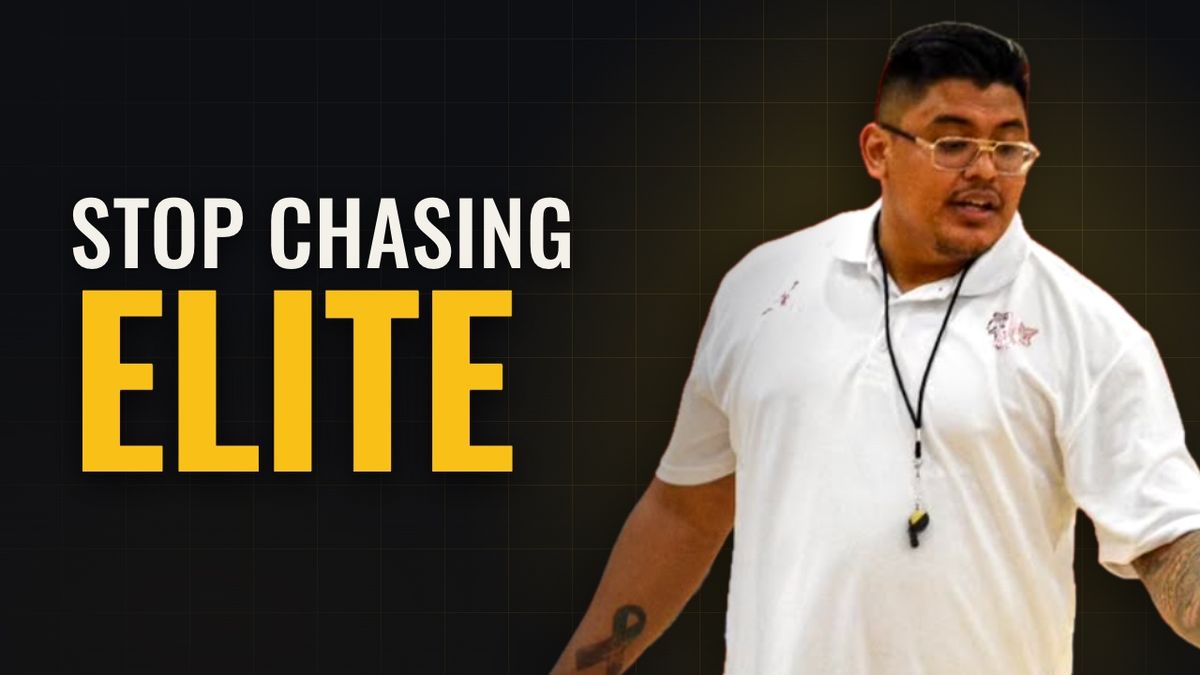
Podcast
How Brandon Powell runs basketball camps in 29 states, and why the first ones are free
Brandon Powell has run basketball camps for 7,000+ kids across 29 states, and 90 to 95% of those kids paid nothing. Here's the business underneath it.
Most coaches treat a free camp as charity — something you do once a year when you can afford it. Brandon Powell treats it as the top of the funnel, and it's how he learned to run basketball camps in states he'd never set foot in.
He runs BP Basketball Academy out of Albuquerque, New Mexico: 7,000-plus kids across 29 states, Boys & Girls Clubs of America at 50-plus locations, and relationships with Jordan Brand, Gatorade, and USA Basketball. He also doesn't currently own a gym.
In this episode of the CoachIQ Podcast, Brandon Powell sat down with host Brandon Evans to break down how he books camps in states he's never been to, why he still gives most of them away, and the two-entity structure that makes it work.
Who is Brandon Powell?
Brandon Powell is the founder of BP Basketball Academy and an enrolled member of the Pawnee Nation of Oklahoma. He grew up in Pawnee, a small town in a state he describes as one people fly over rather than stop in.
His high school team was a dynasty — four state championships in six years under a Hall of Fame coach. He played college ball at Randall University in Oklahoma City and spent time with the Oklahoma City 89ers.
His read on his own options growing up is blunter than most origin stories:
There was three options for me growing up. That was play ball, get in trouble, or be a weld hand for my dad.
He asks the kids he trains to guess which one he picked. They always say basketball. Wrong — he got in trouble, then spent a summer in his dad's welding shop, which is what pushed him into the gym. His first taste of coaching came in 2010, as a high school sophomore, helping run his coach's summer camp.
He found his faith at Randall and studied adolescent psychology. That's where "more than basketball" comes from, and why the stated mission is to go where nobody else will. Some communities he serves still don't have running water or electricity — inside the United States.
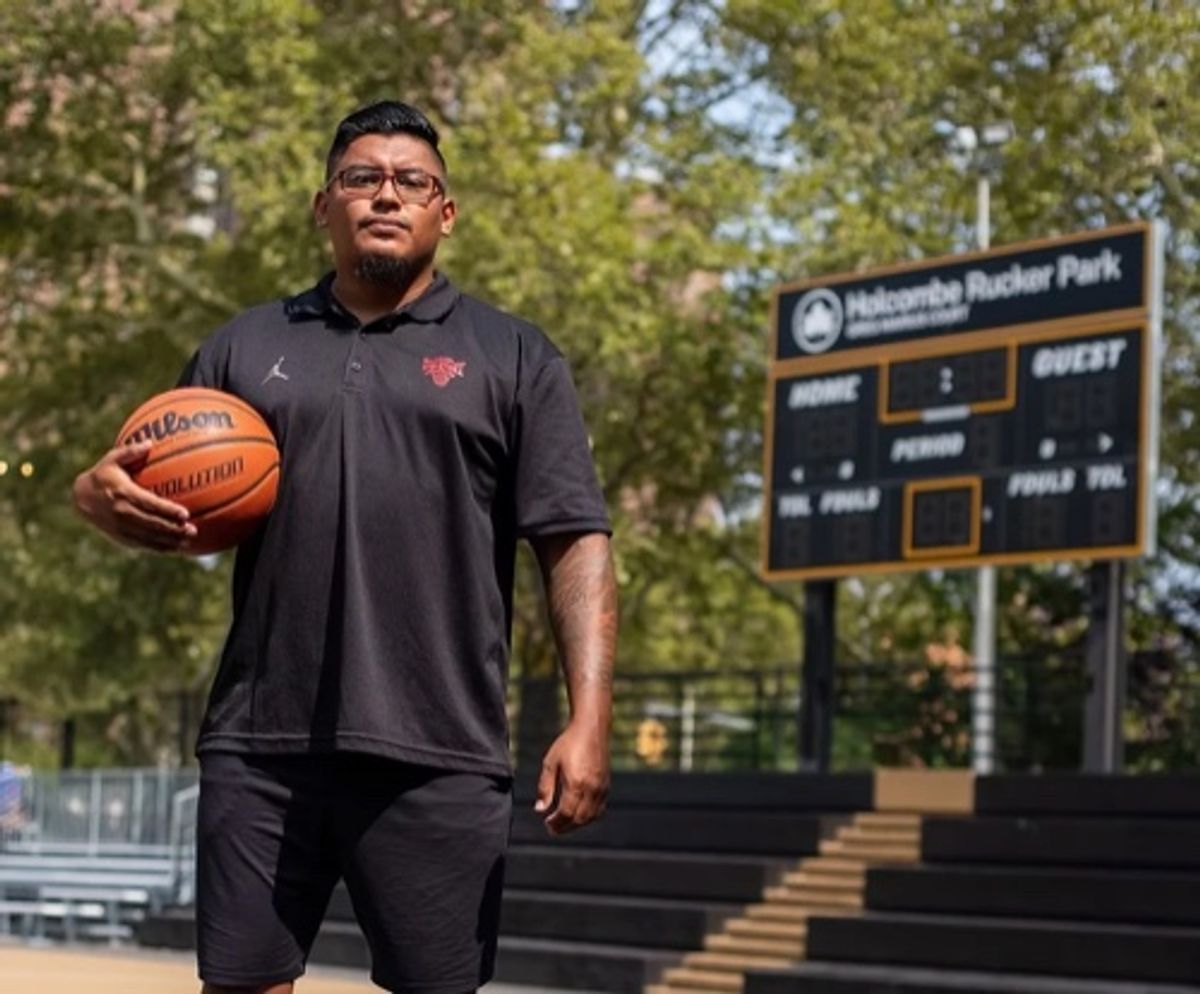
How do you run a basketball camp without your own gym?
You go to where the kids already are.
Powell is between facilities right now. He'd partnered with a local church, outgrew it, and is now working with both Albuquerque Public Schools and Rio Rancho Public Schools to build what he calls a web across the city — South Valley, North Valley, east and west.
We wanna have availability, accessibility, dependability.
Gym access in New Mexico was a shock after Oklahoma, where he had keys to schools he hadn't even attended.
It's like jumping through 12 hoops at once trying to get a gym.
His pitch to school districts has no negotiation theater in it. He tells them exactly what he wants, agrees to their number, then stacks services on top:
We'll pay your price, whatever you want us to do.
That means free camps once a quarter, officiating in-house PE tournaments, running PE sessions, fundraiser camps. He was a gym custodian in college, so he offers that too.
Two hours an evening at one school, two hours the next night at another. Next step: a small fleet of buses to move kids from after-school programs to the gym and back. If you're building without a lease of your own, it's the same math as starting a training business without a facility — the constraint isn't square footage, it's access.
Why give your first basketball camps away for free?
Because nobody hires a coach they've never seen.
Powell's early camps were free by design, and the free ones still fill the paid ones. In spring 2023 he went to Albuquerque's 23 community centers and offered his services for nothing.
That's where a big portion of my kids came from was from these free camps.
Free camps and business cards. That was the acquisition engine.
The clearest proof came from a one-day, five-hour clinic at a Pueblo north of Albuquerque, posted to an Instagram account with roughly 2,000 followers.
Within, I think, five hours, we had 120 kids sign up.
He ran a second one two weeks later. 110 kids.
The same pattern got him into Albuquerque in the first place: a free Thanksgiving camp for 45 kids earned him a paid two-week Christmas camp that topped out at 107. (His first camp ever, in 2014, was three days at nine hours a day for 75 kids at $15 a head, and it barely covered the gym — see how to price private training sessions.)
His view of the sales cycle is one sentence:
If we can get them in the gym one time, I can get them in the gym two times.
Which is where most coaches lose the return. When 120 kids sign up in five hours, the difference between a good day and a pipeline is whether you captured them — registration and waiver forms that feed real athlete records instead of a stack of paper, and athlete and family records you can market to next month.
How do you run basketball camps at scale across 29 states?
Cold calls, starting the week summer ends.
Every location he's ever run was a cold call. As soon as one summer closes, he pulls up the places that said "already booked" in the spring and puts them at the top of the list.
There's probably 10 times more nos than there were yeses.
The most common objection is price, and he doesn't flinch at it:
The day that airline is free and hotels are free and all that's free, we'll do it for free.
What gets him past the no is everything bundled around the basketball: mental health awareness, suicide prevention, drug and alcohol prevention, education and truancy, trade school and military as post-grad paths.
Anybody can come in and run a basketball camp. We have plenty of people that have played basketball that have knowledge to teach this game. But what else can you add?
He also runs a coaches clinic for the host's staff and volunteers, teaching them his day-to-day operation so the program survives after he flies home.
One stretch took him from Fresno, California to Long Island, New York inside a week, including places without cell service. Scale like that lives or dies on operations — rosters, session times, and rescheduled camps across a dozen sites need scheduling built for coaching, not a spreadsheet per state.
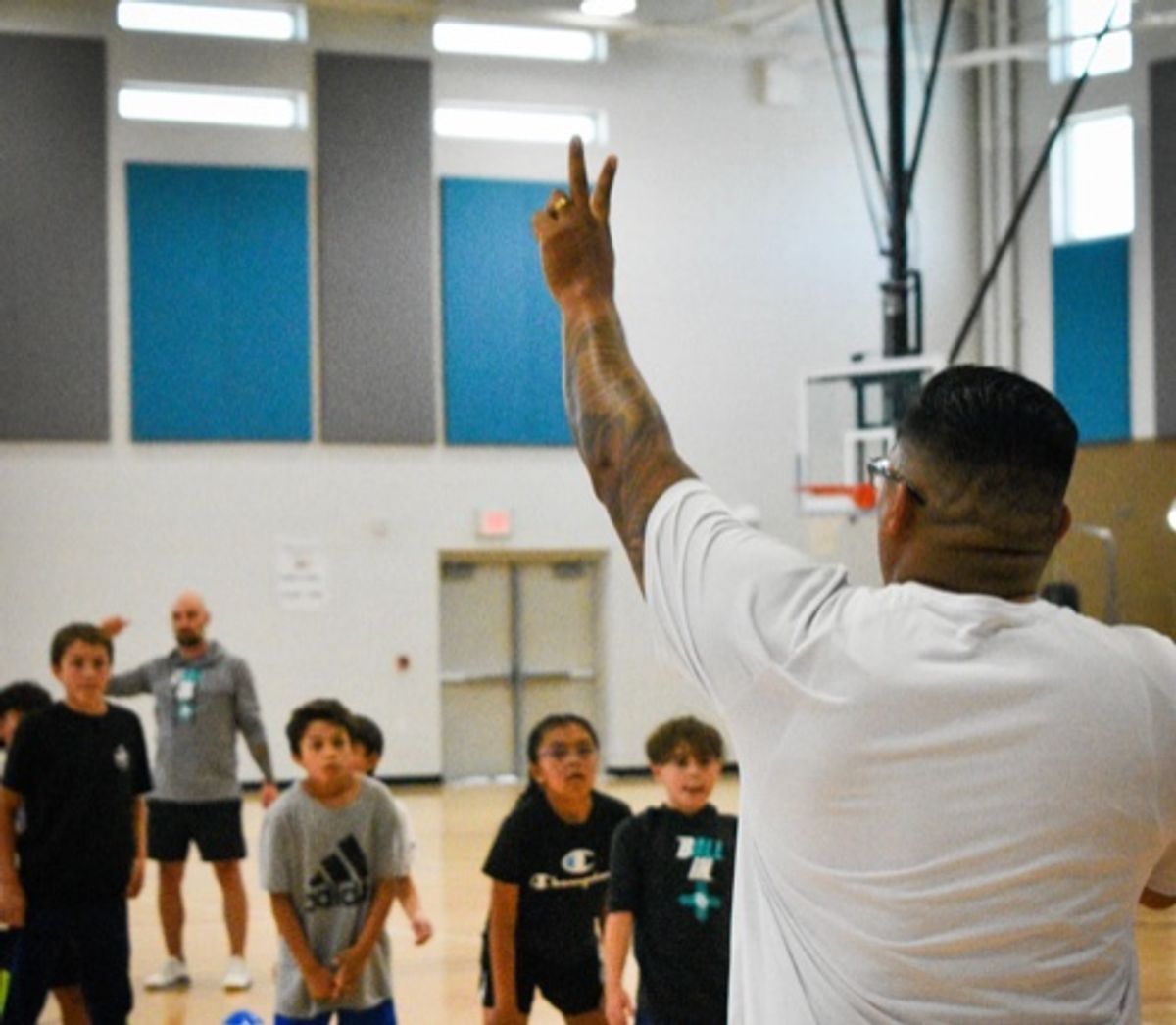
Why run a nonprofit alongside the for-profit?
Because it changes what a gym costs you and who else will pay for the camp.
BP Basketball Academy runs two wings — a for-profit and a nonprofit — and Powell is direct about why:
There is a price difference between a for-profit company coming in and a non-profit company coming in.
The nonprofit gets him in the door at a lower rate and opens up donations, sponsorships, and federal and state grants. Sponsors cover shirts or gym fees. Boys & Girls Clubs pay up front and tell him not to charge the kids a penny — they go home with a basketball, a shirt, and a medal with their name on it.
Paid camps still exist. If you're running both models, keep the money in one place: packages and payments for the paid camps, sponsor and grant work on its own track.
Who should you actually be coaching?
The kids nobody is competing for. Powell has no interest in the elite lane, and his reasoning is arithmetic:
How many kids are going to truly be elite? Is it 10%, 5%, 1%? And then everybody's packed into that one little group trying to get the elite kids.
Albuquerque's school system has more than 80,000 kids in it.
I've got 99% or 95% of the other kids that aren't elite, that just want to learn how to play basketball.
That's the demographic he built for, and it's why the free-camp model works — he isn't fighting other trainers for the same 30 families. It's also the argument that lands with schools and clubs, who care about reaching everyone rather than developing one prospect. As he puts it: the streets don't cost anything. The gym has to be the easier option.
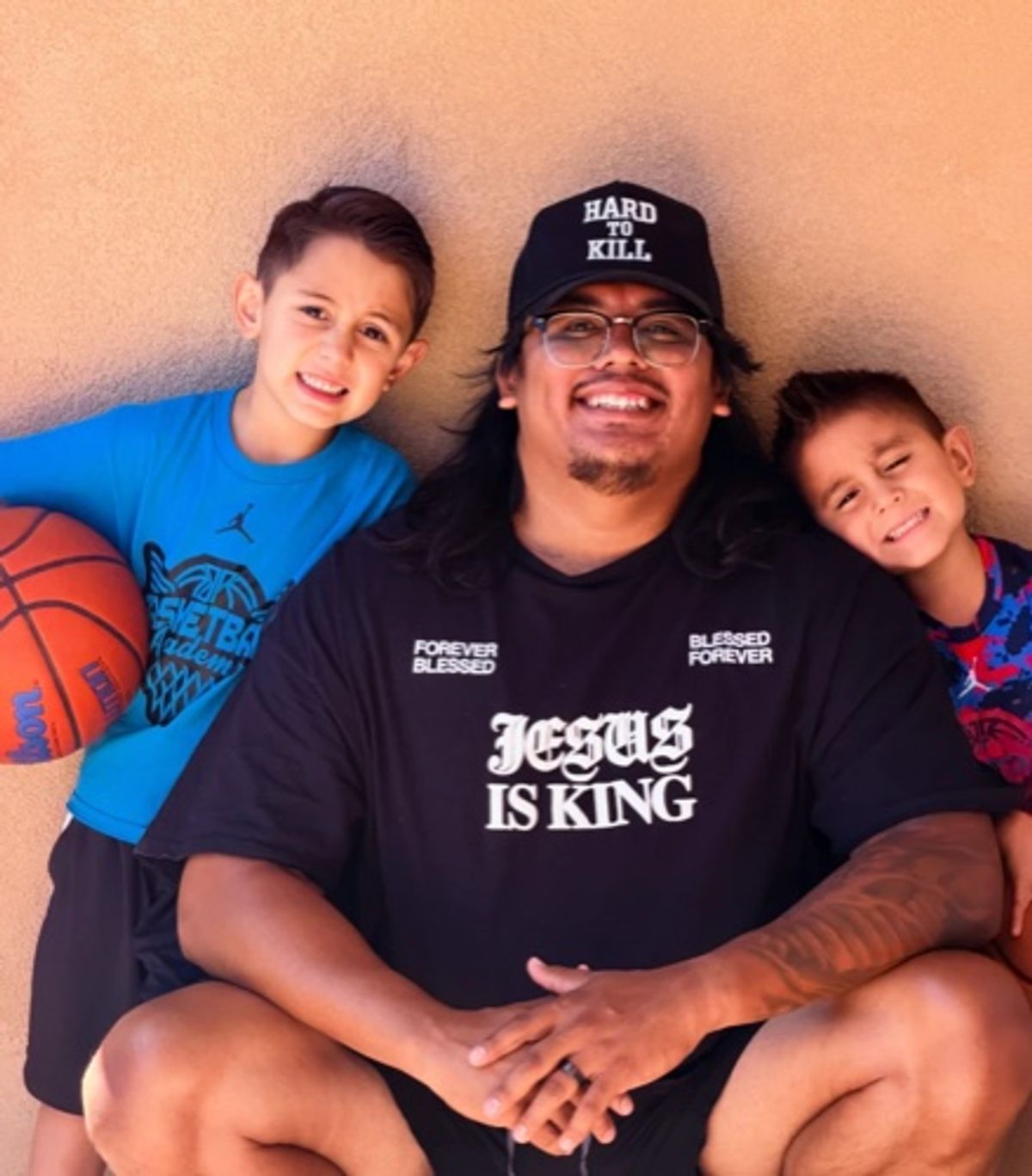
What's next for BP Basketball Academy
A building with his name on the lease, eventually. For now: the web across the city, the buses, and grant applications. Next on the map is Hawaii, Alaska, and eventually international.
It's a family operation — his brothers Cameron and Jaylen both work alongside him, Cameron as his right hand. He's also started mentoring other coaches for free, including one in California who wants to build what he built:
I don't want this knowledge to die with me.
The bottom line
Brandon Powell built a 29-state camp business with no facility of his own, no elite roster, and no big following. The pattern is repeatable: cold call every gym, agree to their price and add services on top, run the first camps free to get seen, bundle real value beyond skills and drills, and split into a for-profit and a nonprofit so the gym costs less and somebody else funds the kids. More on the operations side in how to run a sports academy.
His advice to coaches who want the same reach is to be willing to swing and strike out — and the reason it hasn't cost him much:
I've never started back at square one. I've always started from experience.
Follow Brandon Powell and BP Basketball Academy at @bpowellbasketball on Instagram, or at bpowellbasketball.org.
Running camps, clinics, and year-round training across multiple sites out of one system? Book a CoachIQ demo and see how it fits your business.
Full Episode Transcript
Read the full transcript
The following is a lightly edited transcript of the episode above.
Brandon Evans: Welcome back to the Coach IQ podcast. I am your host Brandon Evans, a fellow training business and facility owner. Today I have another Brandon on the show. Brandon Powell, the founder of BP Basketball Academy out of Albuquerque, New Mexico. But Brandon's reach goes way beyond New Mexico. He has interacted and impacted 7000 plus plus youth across 29 different states with a specific mission to serve the indigenous communities and reservations across the country. former collegiate player, two time state champion played for the Oklahoma City 89ers. And he has built partnerships with Jordan Brand, Gatorade and USA Basketball. His tagline is more than basketball and after researching his work, I can tell you that is not just marketing. Brandon, welcome to the show.
Brandon Powell: Thanks for having me today.
Brandon Evans: So before, you know, we get into the business side of things and how you built what you've built, I want to start with the mission because that is the core of, you know, business and your daily work in life. Your website says we go where nobody else is willing to go and make disciples of all nations. Walk me through what those things actually mean to you and why is that your focus?
Brandon Powell: so I'm a small town kid from Pawnee, Oklahoma. Nobody knows where that's at. Very few people. Oklahoma is a flyover state. Nobody really stops there. But shout out to my hometown, my Oklahoma City Thunder, world champion. So everybody's starting to figure out where we're at. yeah, man, growing up, myself, I'm Native American. I'm an enrolled member of the Pawnee Nation of Oklahoma. And man, growing up there wasn't really anything for us as far as basketball training camps, clinics, things like that. And still to this day, it's very limited. There's a few of us out there that are getting out there going to some of the most obscure corners in our country. Some of these places, man, you would think that it was third world. There are some places that we've been to that don't have running water or electricity still. And that's here in the United States. know, big big mission for us is to get out there to a lot of these youth and give them a little bit of hope in something that unites us all. And that's basketball. I don't know if you're familiar with the term Resball, but man, Resball is big out here in New Mexico. We have a lot of different tribes, different communities that that's that's our that's our hope, man, is that that we can get off the reservation one day. And for a lot of us, man, it's playing basketball. And so. That was my reach initially, what was to get out there to these kids and then somewhere out there in the middle of it all, man, we formed partnerships with the Boys and Girls Club of America. We've been to, man, it's hard to even count at this point, but somewhere north of, I wanna say 50 plus locations with Boys and Girls Club of America. And again, just getting to these communities that are quite frankly underserved. We know there's a lot that's pointed towards the inner city kids and having a mission for them. But me, myself, I'm a rural kid. There was nothing like that for me. And it's kind of funny, I tell a of my kids that I work with, man, there was three options for me growing up. That was play ball, get in trouble, or be a weld hand for my dad. My dad's a welder. so I tell the kids that maybe... guess which one I picked? They all said, you played basketball. Wrong. I got in trouble. I got in trouble. I had to go help my dad in the summertime, man. It's 100 degrees outside in Oklahoma in the summer and probably 120 in the shop. And I didn't like that. So I said, man, I'm going get in that gym and try to make something of myself. And so that's where this all lies, man, and fully rooted in our ministry. We do want to make disciples of all nations. and show the love of Jesus Christ to all these kids. And there's a lot of them that quite frankly haven't experienced that. And there's, for some of them may have a bad taste, but we wanna do our best to make these kids feel loved, feel welcome, and ultimately enjoy the sport that I love, which is basketball.
Brandon Evans: I think it's so cool the impact basketball has on everybody. Like you said, there's a lot of opportunities for inner city kids to get to experience basketball. But like you said, I personally don't see a ton for the indigenous crowd. So I just think it's so cool the impact that basketball has for any demographic. demographic of person who may be lacking resources, may need that bit of hope, may just need somebody to believe in them. I find it so cool how basketball just always seems to tie back in some way, whether it be through people like you going to find opportunities for these kids or, you said, Boys and Girls Club, just helping put people like you in front of these kids. So I just think basketball is the best sport because of that. I'm a little bit biased, but I'm sure you are too. So obviously all of this stuff requires a lot of time, right? And if I read correctly, this all started as a side hustle for you. What did that look like? And that was in 2012, correct? What were you doing full time at that time?
Brandon Powell: I was still in high school. actually started my first coaching was actually around 2010. I was a sophomore in high school then and I was fortunate enough to be a part of a very good basketball team. You could call us a dynasty. We had four state championships in six years. So we had something going on. So real fortunate to play for a hall of fame high school coach. And at that time he actually asked me to be a part of his summer camp. He had an annual summer camp for the kids. And he asked me to go ahead and help be a part of that. I was one of the team captains coming up as a junior the following year. So that was my first taste of running a basketball camp. And man, I loved it. I loved seeing the reaction on these kids' face when they have somebody that cares about the game just like they do and that wants to teach them, that wants to interact with them and honestly just see them for a lot of kids, especially growing up in rural towns like that. Man, it's hard to be seen. so that was my first taste of it. I started doing training semi full-time. It was more just to get a couple of dollars here and there. I a broke college kid and getting ready for college ball. And so that's kind of where I first picked it up. But then I went full-time in 2014 where I ran my own very very first basketball camp. I ran it for three days, man, like nine hours each day, man. was, I really stretched myself thin with that one. I had like 75 kids. No clue, no clue what I was getting myself into. But you know, that's really where it started. And from that point, people started to see, you know, what exactly it was that we were doing and how we were helping. I think my very first camp I charged, I think $15. $15 and that was really, dude. It was like 27 hours altogether. So mean, I didn't make nothing. I barely paid for the gym. it went from there. We started to go to different communities and really we started out with a lot of free basketball camps, running things for free, just get ourselves out there just to show people that, hey, we wanna be.
Brandon Evans: Nine hours a day? Man.
Brandon Powell: an option for you. You don't have to come train exclusively with us. You don't have to, you know, commit to us or just rep our brand type of thing. We just wanted to be a resource for kids. And that's really where it started. It really didn't take off full time for me as far as basketball camps went until around 2017. And that's when I think I hit 10 basketball camps in one summer. I, man, I was over. Just elated, just to see that somebody wanted me to come teach on basketball and a few of those were what I'd call return customers. But yeah, man, just again for the love of the game, I wanna teach kids. I've got knowledge that they might not have and I'm not a gatekeeper of knowledge. I'm not a gatekeeper of wisdom like that. I definitely don't want that wisdom dying with me. I wanna pass that on to the next generation and hopefully. to inspire somebody else. And so that's really where we started, man, was just a small high school gym in Northeastern Oklahoma. And that's where it started for us. We wanted to give back. just really, we just wanted to be in the gym. I mean, there wasn't nothing else better to do for us. And so just to be in the gym, just to work with kids, share that passion, that love for the game. And then the ministry actually didn't come in till about 2014. I played ball at. Randall University in Oklahoma City. And it was there that I found Jesus, found my relationship with the Lord, and I needed to share that. I needed to figure out a way to share that with these kids. Mental health was something that was big for me, something that I went to school for. I went to school for adolescent psychology, and I had my own bouts with mental health, anxiety, depression, those type of things. that again, another avenue to be able to reach these kids. Because a lot of these kids, again, small towns, not a whole lot going on, not a whole lot of hope flying around. So again, if we can reach these kids in ways that's more than just basketball, that's what we wanted to do.
Brandon Evans: mean, I love what you're doing and it's so important. And you said you went full time in 2017, right? What was it like making that jump? Like the emotional experience of, all right, I'm doing this. What was that like?
Brandon Powell: man, it was it was nerve wracking. So I I used to work for Indian Health Services, man. I worked in just about every department from from mental health. worked underneath the CEO of a federal federal health facility. I had a good job. It paid well, but something just kept pulling me back. I needed to be in that capacity. I tried turning from it. I tried trying to. take other routes. wanted to go back to school to finish up. I wanted to be an anesthesiologist. mean, that's a long career path that takes time and it takes a lot going into that. And as many times I try to run from it, man, I just kept being pulled back, pulled back. People wanted, you know, wanted me to work with their kids, work with their teams, come in, talk with their kids. And I just kept being pulled back. So I just said, you know what, let's just give it a try. Let's see what this looks like. And we ran with it. We ran with it and to be honest with the first couple of years were a little rough and getting clients here and there, not very stable, didn't really have a full-time gym. just teaching kids what I knew at that time. I didn't really understand what it meant to truly be a trainer, to truly be a student of the game. I grew up watching guys like Gannon Baker. Gannon is a big influence for me still to this day. And watching guys like him, I remember having one of his first DVDs. think I found it at, I think I found it at the library, to be honest with you. I just kind of come across it at the public library and just loved it. I loved what he was teaching. And I said, I think I can do that. I'm not very good at a whole lot of things. I'm not very handy. I'm not going to be in construction or anything, hard labor like that. My hands are too soft for that kind of line of work. You know, basketball was my line. And so we first couple of years, it was kind of rough going. And then we started to get this thing moving in 2019, where we're getting camps out of state. We're getting people calling us and saying, hey, can you come in? And we're like, let's do it. actually got a funny story. I met my wife out here in Albuquerque in the spring of 2019. It's kind of a weird run in. know, from the moment that me and my wife met, man, we were inseparable. And so that that kind of year that we were, we were together, we were like, hey, these basketball camps are moving. I mean, what are we going to do? Well, she's from Albuquerque. And I was getting basketball camps out here with the Pueblos here in New Mexico. And I think we got it up to like 18, 19 camps scheduled. So was like, hey, instead of flying back and forth, let's, let's, let's just move out there. Let's move out to Albuquerque. And so. So we did, we moved out this way. We moved in March 1st of 2020, getting ready for the spring break camps. And then COVID happens. Shut everything down. And they told us two weeks and we're like, all right, yeah, it gives us time for spring breaks still. We might have to cancel a few of them. Well, for sure, summer, we're ready to rock and roll. We had like 17, 18 camps out here in New Mexico and then.
Brandon Evans: that was insane.
Brandon Powell: couple sprinkled around throughout the US. So I think we were close to around 25 camps for that coming summer. It all went away. There was nothing going on. I had no gym. I'm brand new out here. Didn't know a single person in the basketball community. Come to find out, it's not like the sports scene in New Mexico is not quite like it is in Oklahoma. In Oklahoma, I had keys to gyms. didn't even, to schools, I didn't even go to. They would just give you key and say, hey, take care of it. Cut the lights out when you leave, clean up, make sure you're not doing anything crazy. But here in New Mexico, it's a lot different, man. It's like jumping through 12 hoops at once trying to get a gym. And in some ways, it's still like that. But I'm kind of figuring out some different avenues on some gym space. so once COVID happened, it shut everything down for like two years. And I come across a gentleman at the mall of all places. And he was like, hey, I've got a basketball academy. you like to step in and come talk to my kids? So we did. We would talk to his team. had a team of like 12, 13 guys. They liked me for some reason. I mean, I don't know what it was, but they enjoyed me. They invited me back for the next week. And then they were like, hey, we have an idea. We want to run a Thanksgiving camp would you want to do a Thanksgiving camp with us? Absolutely. This is my first chance to kind of make make an impression here and it's free We'll see how many kids we get I Think we got like 45 kids my first go-around and then it really took off the Christmas camp We were like, hey, let's do a two-week full two-week Christmas camp And let's see what we get we'll charge for this one and we'll just see what type of numbers we get I think we topped out before we actually shut it down. I think was 107 kids. And so was like, they were just one, there was just something, they needed something during, during COVID. Nobody was doing anything. And so we ran a, we ran a pretty big camp during Christmas, had a really good turnout, made a pretty big impact and it just went from there. And so that's kind of what really led us into trying to make an impact in our community here.
Brandon Evans: That's wild. That's crazy.
Brandon Powell: And in spring, 2023 rolls around and we decided that, we're going to start working with our local community centers. We're not going to charge anything. There's a lot of kids that are in these community centers. I think we have 23 community centers here in Albuquerque. So we said, we're just going to go work with them. We're just going to offer our services for free. We're not going to ask anything. We just want to be visible. And so we did that. And actually that's where quite a lot of our clientele came from. was offering these free services and handing out business cards. And that's where a big portion of my kids came from was from these free camps. We did one where it was just kind of a last minute type of thing. We said, hey, we're gonna work at one of the Pueblos up here just north of Albuquerque and we're gonna run just a one day, just a one day, just a five hour camp, a little, I guess you call it clinic, five hour clinic. I posted it on my Instagram. this time, we're getting some followers. We're at like 2,000 followers or something. And so I posted out there. Within, I think, five hours, we had 120 kids sign up. How it took off so crazy, it beats me. I wish I was smart enough to see those analytics and where it was popping up. But man, it did. It took off. So we decided to run a second one two weeks later. Same thing, 110 kids signed up. and we started making our splash. We started to push a product out there that was just a little bit different than what was being offered. We're not just skills and drills. We're just gonna come out and that's all we care about. No, we wanna talk to these kids and we wanna integrate your mental health awareness, your suicide prevention, drug and alcohol prevention. Talking to kids about education and truancy is really big here in Albuquerque area. again, talking to the kids and telling them, just giving them the information about what it... what it means to have your education, not just middle school through high school, but also post-grad. What's that look like? Is it's for these kids? And for people like me, mean, I was a book student. was good there. I had a 4.01 college, but it just really wasn't for me. I wanted to be out there learning things. I wanted to be hands-on. I wanted to have the experience of doing something. And so... We talk to kids about trade school. We talk to kids about military, just opening as many avenues as we can to these kids. We have a saying here because crime runs pretty rampant here in the city, is that the streets don't cost anything. The streets don't cost anything. And these kids can be out there or they can be in the gym with us. What are we gonna do? We've got all these different. people and different sources that are tugging at them, trying to influence them in any given direction, why aren't we doing that? We need to try to make that a priority for ourselves to be able to reach these kids and to influence them and say, this right here is an option. This is probably gonna be your better option. Let's be in the gym. Just come in the gym one time. Let's see what we can figure out with you. And if we can get them in the gym one time, I can get them in the gym two times. If I can get them in the gym two times, then I can... keep them coming in multiple times. And so that was really our mission again, from jumping into just small basketball camps to doing free camps and clinics to really jumping in this thing full time. mean, that was just, again, it all went back to just sharing the love of basketball, sharing the love of Jesus, man. And it just continued to snowball from there and then it landed us to where we're at today.
Brandon Evans: And I think the biggest thing in all of that is you, you always got yourself out there and got yourself seen. whether those kids became your clients or not, you still were able to make an impact on those people. And even some of the kids that may have not become clients, like the chances of them remembering you are probably pretty high, right? Like they got to go to a free camp at wherever you, wherever you went into and maybe you probably I'm sure you shared some type of message with them that may have resonated with them far beyond that that one day. So I think the biggest thing in all of that is just in a lesson for for coaches who are either trying to grow or just trying to increase their their visibility in general is just go do stuff for free. Say hey, go to any any place in the city parks and rec place. The why whatever. Hey, can I come in run a free camp? just whoever can come in. And it just broadens your impact so much because nobody knows you exist if they don't see you. And if they see you online, they see you on a poster that's cool and everything, but it doesn't compare to seeing you in person and actually getting to see you face to face. It just does not compare. So nowadays, you talk through your history. Correct me if I'm wrong. Do you have your own facility right now?
Brandon Powell: So we are in in between facilities at the moment. We had a partnership with one of the churches here in Albuquerque. And to be honest with you, it's just not big enough. It's not big enough as much as we're growing. It's just not big enough for us. So we were actually in the process of working with not only Albuquerque public school systems, but Rio Rancho, is where I live just north of Albuquerque, Rio Rancho public schools. And we're going to create essentially a web across the city. We're gonna be in the South Valley of Albuquerque to the North Valley, East and West. We wanna try to create a web so that we can be accessible to these kids. We talk about the abilities that we have. We wanna have availability, accessibility, dependability. We wanna be available to these kids. It makes no sense for us to just be in one location in the city. when some of these kids may not be able to make it there. So hey, how can we bridge that? Well, we'll just come to you. We'll come to the place that's nearest to you. And we're in the process of actually getting a couple fleet buses to where we can start busing kids and go to their after school programs and bring them to us and drop them off and be that bridge between school and home. Some of these kids, their home life isn't the greatest. So again, why can't we step into that and say, hey, Let us be an option for you for your after school programming. Let us be something for you for your weekends when you're when you're not in school. Again, for lot of these kids, it's they're either going to be in the gym with us or they're going to be getting in trouble. You know, why can't we make that impact with them? Why can't we offer them something for free? Why are we low cost? You we want to be accessible. We want to be available. We want to be dependable. So that's, again, a big notion for us moving into 2026 here.
Brandon Evans: What do those conversations look like when you, I'm sure you already had connections with the school systems, everything. What does that conversation look like when you go to them and say, hey, this is what I need to do. How can we get this done? What are those negotiations or was it even negotiation? Were they just down for it?
Brandon Powell: so we just we was straight up and honest with them and said, hey, this is what we're wanting to do. We want to run an after school program style of basketball program and we want to get as many kids as engaged as we can to to alleviate some of your costs. Hey, we'll come help with your with your with your PE sessions. We'll come in once a week or twice a week or whatever you need us to do to help us help you and as you're helping us. And so. You know, they have a set price on what they want to charge and we'll gladly pay that. We'll pay that. My college job when I was in school was actually being the gym custodian. So I have experience cleaning the gyms the way that you'd want to see them professionally cleaned. I can do that for you. We want to try to take as much off your plate when it comes to extracurricular activities. let us come in, we'll run programming for you. If you can just give us two hours, give us two hours an evening at one location A and then tomorrow we'll go to location B. And again, creating that web around our cities. so our negotiation was just being straight up and say, we'll pay your price, whatever you want us to do, we'll give you a free. Free basketball camp, know once once a quarter once every three four months whatever you want us to do And and just nurturing those relationships man, you know if they if they're willing to to deal with us and give us that opportunity Whatever you need from us will help. I mean, even if it comes down to you've got a You elementary basketball school or basketball tournament that they're running in-house during their PE program will come officiated We won't charge anything. We'll come in, we'll do a free camp for you. We'll do a fundraiser camp for you. We'll do anything that we can to make sure that we're taking care of those that are willing to stick their neck out for us, give us that opportunity. We're gonna do whatever we have to do. And so whether that's just paying a flat rate, whether that's exchange of services, heck, it could be even both. And we'll make that happen for you.
Brandon Evans: This model is so cool because it's so different. Right? Like even like my model, my gym, I have, I rent out a gym and the kids all come to me. Right? That's the model I have, but you have do the exact opposite. You go to the kids' gyms, like at their schools that they go to every single day and you bring yourself there. So I think this, this model is so cool. just to hear, hear you talk about and how you go about it. The, nurturing relationships part of it is one of the biggest things that. when I was getting started that I focused on because I also rented out a church when I started, just obviously because I couldn't afford a normal facility, it just couldn't happen. But nurturing that relationship is the only reason I have my facility today. I had heard they needed money or people to rent out their gym. And I was like, hey, this is what I'm trying to do. Exactly like the approach you took. Straight up, honest, this is what I'm doing. Can we make a deal where, and this is the one I took personally, where it helps me short term and helps you long term. Like, because obviously I can't afford the gym fees. So I was like, what if I gave you $5 a kid per hour? And short term, it helps me. lower my gym costs and long term, they only wanted 30 an hour. So they're making significantly more like when I had 10 kids in the hour, they're making 50 I had a kid camp with 40 kids, they're making whatever that number is. So like, and like you said, I ran fundraiser camps for them like they didn't ask me to I would, I just wanted to because like they were the only reason that I was able to make the impact I did like on Sundays, they needed help setting up for their church and stuff. to stay and help them set up whatever they needed. So I think the lesson in all that is nurturing those relationships, whether it be with the facility that you have or the kids that are in your gym. Of course, both are important, but just that that focus in and of itself is one of the biggest things. So we've talked a lot about your impact in your local community, but you sprinkled in here that you have a lot of other states you go to and mentioned that in the intro. So you've reached from what I, what I researched over 7,000 kids across like I said, 29 different states. It's probably more than that now. How do you operate that at scale? Walk me through what like a typical year looks like for you.
Brandon Powell: So it really starts as soon as summer ends, we start looking at some of these locations that, maybe we called in the spring and maybe we didn't quite land up. Maybe it was something that, hey, we're already booked out. We've already got things going on. And we put them at the top of our list. And we say, hey, we're going to give them a call back. And every single one of our locations that we have, cold call. Cold call saying, hey, this is who we are. name is Brandon Powell. I own BP Basketball Academy out of Albuquerque, New Mexico. This is what we do. One of our big selling points and adding extra value was doing the mental health awareness, the suicide prevention, drug and alcohol prevention, more stuff than just basketball because to them, to our clientele, anybody can come in and run a basketball camp. We have plenty of people that have played basketball that have knowledge to teach this game. But what else can you add? How much can you pack into your bottom line? How much can you pack in and say, this is what we're going to do. Not only are we going to run an in-person camp, we're going to do a coaches clinic for you. You have coaches that are volunteers, or if you have staff, we'll teach them everything that we do from our day-to-day operations. We'll teach them so that you can have that in your repertoire as well, so that when basketball season rolls around, hey, at least we know what this guy taught, and the kids seem to love that. kids seem to resonate with that, let's run a little bit of that. And then you could, you have a platform to jump off of now. So adding value to what we do from just a basketball standpoint was really important to us. And the big thing was learning to hear no. There's gonna be plenty of no, there's probably 10 times more nos than there were yeses. And it was just, at first it was like, mm, yeah, I... They just keep telling me, no, you know, we're not interested. No, that's we've got somebody else doing that. Well, you know, we're really not looking for something like that. Or, you know, my the biggest question was always does this cost? Well, yeah, it does. You know, I the day that that, you know, airline is free and hotels are free and, you know, all that's free. We'll do it for free. But, you know, there comes it comes with the cost. And so We try to charge as low as we can to provide all these services for these kids. We started getting into nonprofit range to where we could start applying for grants that'll pay for this and we'll go do it for free. No big deal. Some of these camps that are paid per kid or we have where companies can sponsor and sponsor, they could sponsor shirts, they could sponsor the gym fees. whatever it is and we'll come out there and we'll run you a free camp. We won't charge the kids a penny. The same way we do it here in Albuquerque, we'll do it out there. And I want to say at this point, it's about 90 to 95 % are free for these kids. 100 % free for all the kids that we go to. So when we partnered with Boys and Girls Club, it's 100 % free. Kids don't pay anything. They show up, they show up, they want to work, they want to learn. We're to teach you. We'll send you home with... with a basketball, some type of medal, something that has your name on it, that shows that, you showed up and you did this work. Congratulations, this is step one. And so if we can send them home with a shirt and just a couple of little goodies and things like that, that's cool, but it's the experience that they get to actually go to a basketball camp. And for a lot of those kids, they don't get that opportunity. It's not coming to these rural locations. It's not coming to these small towns. It's not knocking at their school's door saying, hey, we wanna come. work with you. And so that's where our demographic landed. We were never really the program that said, hey, we're the elite program. We are the cream of the crop. have the best of the best, this and that. Just from a numbers standpoint, how many kids are going to truly be elite? Is it 10%, 5%, 1 %? How many kids are going to be elite? And then everybody's packed into that one little group trying to get the elite kids. Cool, do that. I've got 99 % or 95 % of the other kids that aren't elite, that just want to learn how to play basketball. So, you know, if they're middle school going to high school or just middle school just now starting basketball, let us work with you. We'll train you. We'll teach you the building blocks of the game. you know, if this isn't enough or you need a little bit more exposure, gladly, we'll send you to somebody that can provide that for you. But again, there's 95 % of kids. in an area like Albuquerque where we've got 80,000 plus kids in our school system, who's gonna work with those kids? That's where we landed. We landed in that range that, hey, look at all these kids that don't have the elite tag, right? That aren't at that level quite yet. Let's work with them. Let's develop these kids from a true grassroots perspective that we wanna work with. anybody and everybody will go where nobody else is willing to go. Whether that's Albuquerque, New Mexico, or if it's Eagle Butte, South Dakota, we'll go anywhere. There's a lot of places we go to that don't have cell service. That's how kind of remote and desolate these places can be. And we're willing to go there. We had a camp, had a stretch of camps where we went from Fresno, California all the way to Long Island, New York within, a week span, you know, where we were back and forth all across the country, but there's need there. And, you know, from a basketball and a business perspective, there's enough for us to eat. You know, we just have to be willing to look in the right places. And sometimes, you know, it's extending ourselves just a little bit more than what we're comfortable with. But again, we're learning to put ourselves out there. We're learning to kind of stretch those limits a little bit and just Give it our best and that's all that we can do.
Brandon Evans: I love what you got going on. What you have going on sounds very familiar to a organization that we partner with here in Indiana. It's ran by a guy. name is Rayfield Davis. He played at Purdue. He was Big Ten Defensive Player of the Year. And now he comes back and he runs free camps for everybody. Well, he gets sponsors to come in the same way that you mentioned and he's able to make camps free. We partner with him and we run our three on three leagues at my gym and most they're not completely free, but there is as cheap as you can get for for a league. So and it's actually a nonprofit. I can connect you guys after we get off the podcast, but I think you should you're trying to go the nonprofit route.
Brandon Powell: so we actually, we run two wings of our company. We run a for-profit and we run a non-profit. The non-profit will help get us into our facilities, help lower the cost, because there is a price difference between a for-profit company coming in and a non-profit company coming in. we took the non-profit wing and that's what will operate underneath. We do a lot of our free camps underneath that banner. Then we can get people to donate. get people to donate, have sponsorships, work with federal grants, statewide grants. We're just now starting to dive into that and there's money to be had out there that will help us accomplish what we're trying to accomplish here. And so we try to run both of them. Of course we have the paid camps where these kids will pay out of pocket. Then sometimes we'll have Boys and Girls Club, they'll pay us upfront and say, don't charge the kids anything. You got it, we'll come in. Throw shirts, know, basketballs, all kinds of different goodies. And we have sponsors that'll throw in some things and, you know, really try to make it an experience for these kids. And so, yeah, we're just now dabbling into the nonprofit realm and seeing what these grants can do for us and hopefully get us into a place to where we can set roots and build our own facility. I have all kinds of wild ideas for a facility and what I wanna do. And so. it's just kind of a waiting game at this point. We're slowly getting to where we want to be at with the amount of clientele that we're pulling in and the amount of kids that we're pulling in and the amount of outreach that we're doing. And it's all tying back together to have a central location. So we're getting there.
Brandon Evans: so you've said we a bunch here and obviously this is not an operation you can do just by yourself. From looking at your website and researching, I've noticed you have multiple Powell's on staff. I'm assuming this is a family operation. Okay, so how many are involved in this? What's it like running a business with the family?
Brandon Powell: it's fun, man. I've got my younger brothers that work alongside me. My younger brother, Cameron, he's my right-hand man. He takes a lot off my plate. And we're a basketball family through and through. We all played at a fairly high level. My dad was the one that really introduced us to the game and to have that love for the game. And he played. all over the country. so watching him and his love for the game, you know, that's something I wanted to be. I wanted to be like my dad growing up. I wanted to be what he was. I wanted to be better than him. He instilled that, that competitive drive, that competitive nature in me. And therefore, you know, my brothers were five years apart. So, you know, I was essentially coaching Cameron, who's five years younger than me, then definitely was coaching Jaylen, who's 10 years younger than me. And so, you know, not only working with them and, and, you know, coaching them, but running this business, man, we, we, we travel together all the time. We go to different camps and, we're starting to expand our operation to where we could start going to these different locations. It could be out in the middle of California, middle of nowhere out in the valley somewhere. And we could pick up a coach there. We got a guy that, that wants to. get into the training business just like us. So we're gonna teach him, we're gonna bring him along with us, we're gonna teach him everything that we run from our day-to-day stuff to our camps. Everything that I know, again, I said it earlier, I don't want this knowledge to die with me. When I die, I don't wanna have all this that I've learned throughout this process and just let it go to waste, because that was something that I wish I had growing up. When I first started this was somebody to tell me, hey, maybe you should do this instead of that. Maybe you should go looking... at this location instead of that location. And having a mentor, something that I wish I had, especially as a young trainer and with the rise of social media, it's easy to see all these other people, man, doing their thing. And they have locations and they have clientele and they have an MBA guy that they work with. They have a couple of D1 players that they work with, man. That's something that I... I wish I had growing up, but as we start to grow this business and as we start to expand our reach, all that stuff will come. So we want to be able to help the next guy coming up. He has that same vision, so we're going to help you. Or this young lady has a vision, let us help you. We're not going to charge you anything. We're not going to charge you anything. We're not going to ask you anything other than just be willing to learn. Be open-minded enough to learn. Be willing to. Put your ideas to the test. Come in to where we're going to and say, this is what I know, prove me wrong. And when I am proved wrong, be willing to adapt. And that's the process for me is I don't know how many times I've been wrong on plenty of things from coaching kids to how I run the camp, how I run my academy day to day, how I run the business. I mean, from top to bottom. I've been wrong more times than I've been right and it's a learning process. But you know, as it relates to basketball, I haven't invented anything in the game. I've learned from somebody else. I've taken things from different trainers on Instagram, on Facebook, from camps that I've been to, from coaches clinics. I've taken things from just about every place that I've been to. There's knowledge everywhere if you're willing to sit down and listen and to really learn from people. And that was the cool thing. through my entire process is just, love to learn. I love to see new things. And there's some things where it's like, man, why didn't I think of that? How did I like, it's so simple. Like, dude, how did I, all these years, I think I know a lot about basketball and it's it's so humbling to really see that there was a lot more out there. You know, there's a lot smarter guys than me developing things and putting together programming and it helps me. know, I'm a true believer in iron sharpening iron. You have to learn from smarter people. You have to find people that are smarter than you, that have done what you're wanting to do and learn from them. You know, don't come into this thing arrogant. Don't come into this thing with an ego. You know, my saying to all these coaches that I come in here with is there can't be an ego in what we do. When we're teaching kids and the mission is to change these kids' lives, change their... their direction and their perspective. There can't be ego in this thing. You have to be humble enough to say, I'm just going to teach you what I know and you take what's useful and use it and the rest of it, just discard. You don't have to do everything I did. I don't want you to walk the same steps that I took. Take your own route, take your own route, but take things from here and there. And that was something that my high school coach taught me. A hall of fame coach with, man, what is he, six? seven state championship rings and he said, you know, this is something that I took from this coach or I took it from this coach at this clinic. And so taking that mindset that's helped me in my business is just learning from other people and what they do well. And it's not from a place of envy or jealousy. It's like, hey, you know, I like that. I like what you do. Let me apply that to what I'm doing to hopefully make myself.
Brandon Evans: there there absolutely cannot be any ego involved in this. Like, it's funny, you mentioned Ganenbaker earlier, because I am technically of the Ganenbaker coaching tree. So my mentor is Ryan Razuki is out in California. Yep. And he is under Ganenbaker. So it's funny, I don't have a style at all like Ganenbaker. But Technically, I am of that lineage. But I do 100 % agree with you that you have to spread your knowledge as a coach, whether it be to other coaches or players. And that's something over the past six to 12 months that I've really, really enjoyed is just helping other coaches out because I've been able to get this gym here. I've been able to. more or less not separate myself from it, but the gym can run without me now. And now I'm like, what's my next, my next big impact I can make. And that's able to, that's helping other coaches make the same impact I did, right? Like it's just multiplied, right? I'm using the knowledge that I gained to multiply that and create an even bigger impact. So that's something that I, I'm a huge, huge believer in. And like you said, to the no ego point, I had a call with the coach two weeks ago and I really liked how he structured his business and his onboarding process and I copied the whole thing. I changed all of my stuff to exactly like that. Just because I liked it better and I hadn't necessarily thought of it before and it's been great. So it just goes to show there's always, you always have to adapt and there is no one perfect way of doing things. You might like, if I never would have talked to that coach, I never would have liked. the way he does things. And I might have thought I might have eventually but who knows. But no, that's that's something I definitely resonate with is is passing on your knowledge. Like why Why am I going to go to all this trouble of living in San Diego for a summer and just keep it on myself? Like, I'm not like why. But last few questions for you here. I got two more. I have to ask you about some of these partnerships. Jordan, Gatorade, USA Basketball, Junior NBA, talk to me about how these relationships develop and just how those partnerships even come about and what they entail.
Brandon Powell: just it really came from again, putting ourselves out there, reaching out and saying, what can we do? What is what is your mission look like and how does it align with what we do? If it aligns with us, great, we're going to attack it full steam. And if it doesn't, then we'll look elsewhere. We try to find programs that are that are recognizable. And we reached out to them and said, hey, what can we do to help further your mission? I actually got in contact with with a program, Ballogy. It's an online training platform. Got in contact with them and that's how we set up our online training academy. And that was kind of where we made the big jump. And that in turn got us in contact with US sports camps, which runs all the Nike camps. And so, you know, getting that phone call was like, whoa, you know, we got Nike basketball camps calling me. wanting to run their camps here in New Mexico and in some of the places, again, we have quite an outreach. so, hey, where else can you go and represent Nike and Nike basketball and working with these different programs like the Gatorade Performance Program? We're actually set to go down this summer and sit in and learn from them, sit in for a week and just let them throw everything at us. know, again, anything that helps us add more value. to our brand and what we do, we're gonna take it. Whether they're a globally recognized name or they're a local name, hey, if you've got something to teach us, we wanna partner with you. Whether it's your local high school coach, whether it's a local business, if it aligns with what we want to get to our kids, we wanna work with you. We're not above anybody. We're grassroots as grassroots can be. Like said, I'm a small town kid from. The middle of nowhere, Oklahoma, you I'm not above anybody. I didn't have a big name. I wasn't, you know, a division one player. didn't play in the NBA. I don't, I don't have those types of connections, but, what I do know relates to the people that I work with. And so again, if we can keep that central to our mission, that's, that's what we want to do. We want to work with those programs. And so again, cold call on a lot of these places and saying, Hey, here's who we are. Here's, here's what we do. Here's how we think we can be a benefit to you. And a lot of it was just reaching out and telling them, we'll push your brand as much as we're pushing ours. And for a lot of people, and especially if somebody came to me with that offer and said, hey, we're willing to push your brand for free. You don't have to pay us anything. Heck, we might even have to pay for a licensure from you, pay for a license to be able to push your brand to be recognized alongside what you do. And we'll do it. If we can get that little bit of extra recognition or to see the the logo next to our name and people recognize that then yeah, we're gonna take advantage of that. That's just an extra step that gets us out in front of those people. Similar with USA Basketball, we did the coaches license and things like that and we said, what else can we do? Again, helping other coaches. Well, USA Basketball is designing us a program to work right alongside them to teach coaches. to teach coaches from grassroots level, to teach them to how to operate their businesses, through AAU, circuit ball, all that stuff. So again, just reaching out, putting ourselves out there. And all they can say is no. They say, no, okay, fine. We'll find someone else to work with. And we recognize that we're not gonna be for everybody. We're not gonna be the cup of tea that they enjoy. And so that's okay. We find our partnerships with like-minded individuals that... ultimately want to get to the same goal of teaching these kids and getting back just plain and simple to the love of basketball. know, I had with a you circuits and these shoes, shoe circuits and things like that, man, it's it's frustrating at times, you know, because it seems like it's taking away from the love of basketball. It's all about recognition. It's all about, hey, what can you offer me as opposed to what can I do for this game? You know, that's why I ended my my playing career when I did was. I saw myself being able to give back to this game in a capacity of being a coach more than I ever did see myself as a player. I could play basketball, I could play the game. was talented enough to compete with just about anybody. But where I felt I could give back and have a bigger impact was coaching, was doing the training, was impacting these kids. And then now we're stepping into impacting other coaches. So that's where we lie now.
Brandon Evans: Awesome. Yeah. Well, last question I have for you here, and this would be probably the most important, would say, for those coaches listening who do want to make an impact beyond just the basketball side, because I mean, as you mentioned, everybody can, everybody can teach basketball, everything is something they learn from something else, somebody else. What advice would you give those coaches that want to make an impact beyond just basketball?
Brandon Powell: have full confidence in your craft, understand and really know what it is that you do. If we all knew the same things, man, we'd all be the same players, we'd all be the same coaches, but we all have our own independent flavor that we add to this game. Whether you believe it or not, you contribute to this game, stand on that, stand on that and understand that you do have an impact. Whether if it's... You know, just one kid at the YMCA or if you're on the EYBL circuit, you have an impact and you need to take that platform and you need to run with it. You have a voice, you have an opportunity to make an impact. Take full advantage of it. Be willing to swing and be willing to strike out, you know, using baseball terms. Be willing to strike out, You know, it's all a learning experience. And, you know, as many times as I failed as a trainer, as a coach, as a player, As many times as I've felt, I've never started back at square one or I've never started back at step zero. I've always started from experience. I knew what didn't work from that point moving forward. So my advice is, understand what it is that you have to teach and get it out there. Get it out there. Somebody's willing to listen, but that window may be small. They're not always gonna listen and there's not always going to be that opportunity. So take advantage of it while you have it. I don't see myself being in this role forever. I don't see myself being 70, 80 years old and still running basketball camps. just don't envision that. But the time that I do have it and the opportunity that lies before me as I stand today, I'm taking full advantage of it. I'm willing to put my company out there. I'm willing to put my name on the line and say, hey, we're going to swing for the fences. We would have never have gotten to California and to New York and next year, hopefully. getting out to Hawaii and to Alaska and start to become international, we wouldn't be able to do that if we didn't say, you know what, we stand firm on what we believe, we stand firm on what we know, on what we're teaching, we believe in what we're teaching, we believe in the system that we have in place and we're gonna put it out there. We're gonna put it up against anybody else's system and the things that they do well, we're gonna adapt to that, we're gonna take what they do well too. we're gonna try to run with it. And there's no shame in saying that you're wrong or saying that, hey, this doesn't work. I definitely don't, again, I don't wanna be that type of coach or player or trainer or business person that just keeps you beating my head against the wall when something's not working. Hey, figure out a way to adjust, figure out a way to pivot. Maybe you've gone this path enough and it's just not working out, learn to pivot. Learn to understand that there are better ways to run this thing, more efficient ways. And that's why I started really doing more outreach to different companies, different brands, different trainers and say, hey, let me learn from you. I just wanna learn. don't want anything else, but just to learn from you and learn what you're willing to teach me. And if somebody's coming to me with that, man, my eyes light up. I'm like, hey. Are you sure you're ready to listen? Because I've got all this knowledge and wild ideas that I want to run by people. And it's kind of hard to get people to understand that all these wild visions and ideas that I've got. But when someone's willing to listen, I'll talk to you off all day. So if I could find, again, like-minded people that are willing to teach me, I'll listen all day. So that's my advice for other coaches is just be willing to put yourself out there. Put your brand out there. When looking for a gym, looking for partnerships, put it out there. Put it out there and see what they have to say. Sometimes it works and sometimes it doesn't, but we'll never find out if we don't do that. I'd much rather... Want to do what you do, I'm never going to win that race. Just like no one's ever going to step into my lane and what I do and win this race because I'm unique in what I do. Just as each one of these coaches listening are ultimately they're unique in what they do. Do what you do man and do it to the best of your ability.
Brandon Evans: That is needless to say fantastic advice. So Brandon, thank you for coming on. This has been incredible. 13 plus years of work, 7,000 plus kids across 30 plus states. have plenty more to come. More than basketball is clearly more than just a tagline for you and your team. Where can people find you and connect with your work?
Brandon Powell: visit our website www.bpowellbasketball.org. Same tag for Instagram, Bpowellbasketball, man. Shoot us a follow, man. We're trying to grow this business and we're trying to connect with other players, trainers, business partners, man. We're willing to come where you are. If you want to collaborate and host a camp where you're at or host some training or you need someone to come step in. I like to travel, I like to teach basketball. So that's what my summers consist of. So you've got any ideas, man, shoot it our way. We love to bounce ideas off each other and brainstorm and figure out how we can make each other better. Iron sharpens iron here.
Brandon Evans: Well, everybody go follow Brandon and his team check out the work they're doing as always we'll have the links in the description and on the screen here as well if you're a coach of any sport trying to figure out how to make an impact beyond just the skills of your sport this is a fantastic model to learn from everybody. Thank you for listening Brandon. Thank you for coming on. This is awesome
Brandon Powell: Thank you guys.
