How to structure basketball training sessions that actually transfer to games-it’s the question every serious trainer faces. You’ve heard it before, maybe said it yourself: “I shoot 80% in practice, but I can’t buy a bucket in games.” The problem isn’t effort. It’s how your sessions are structured.
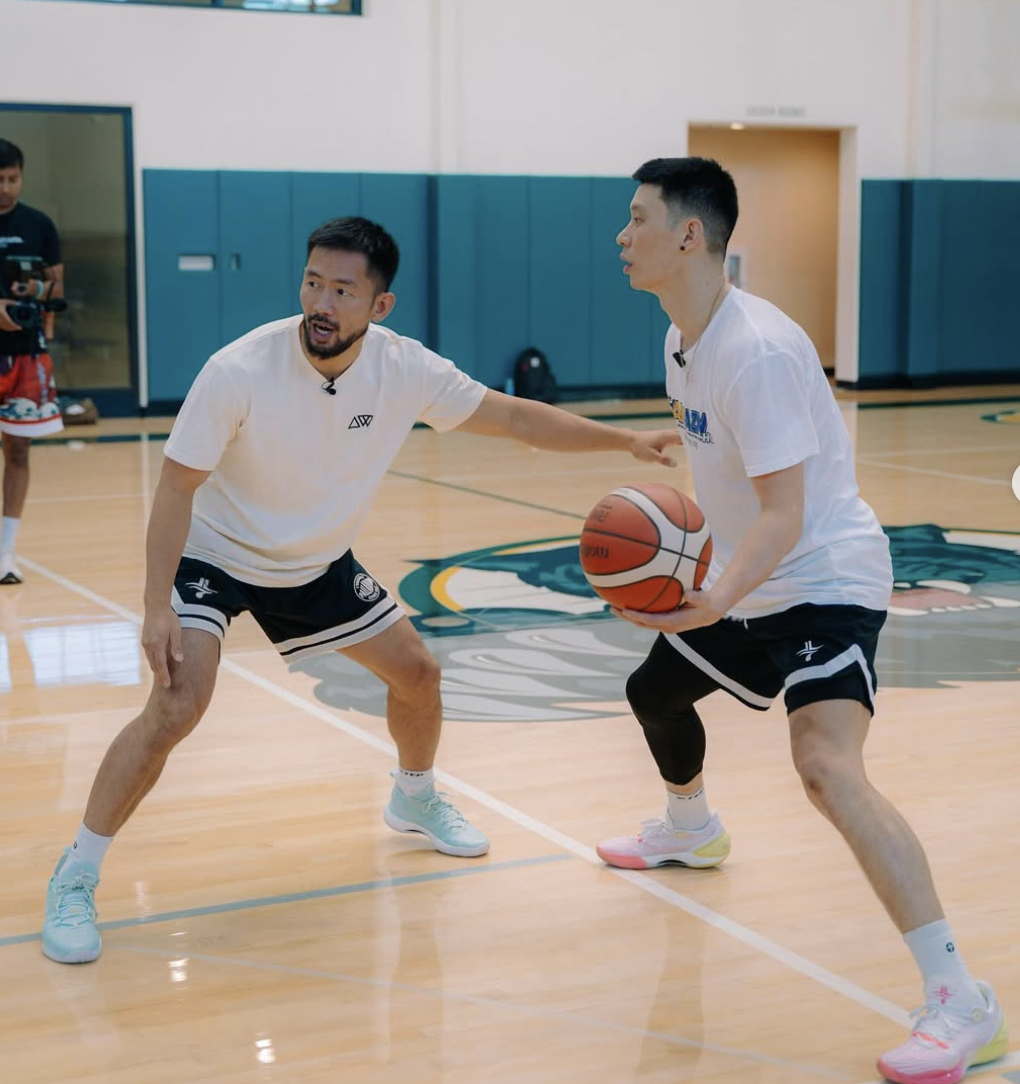
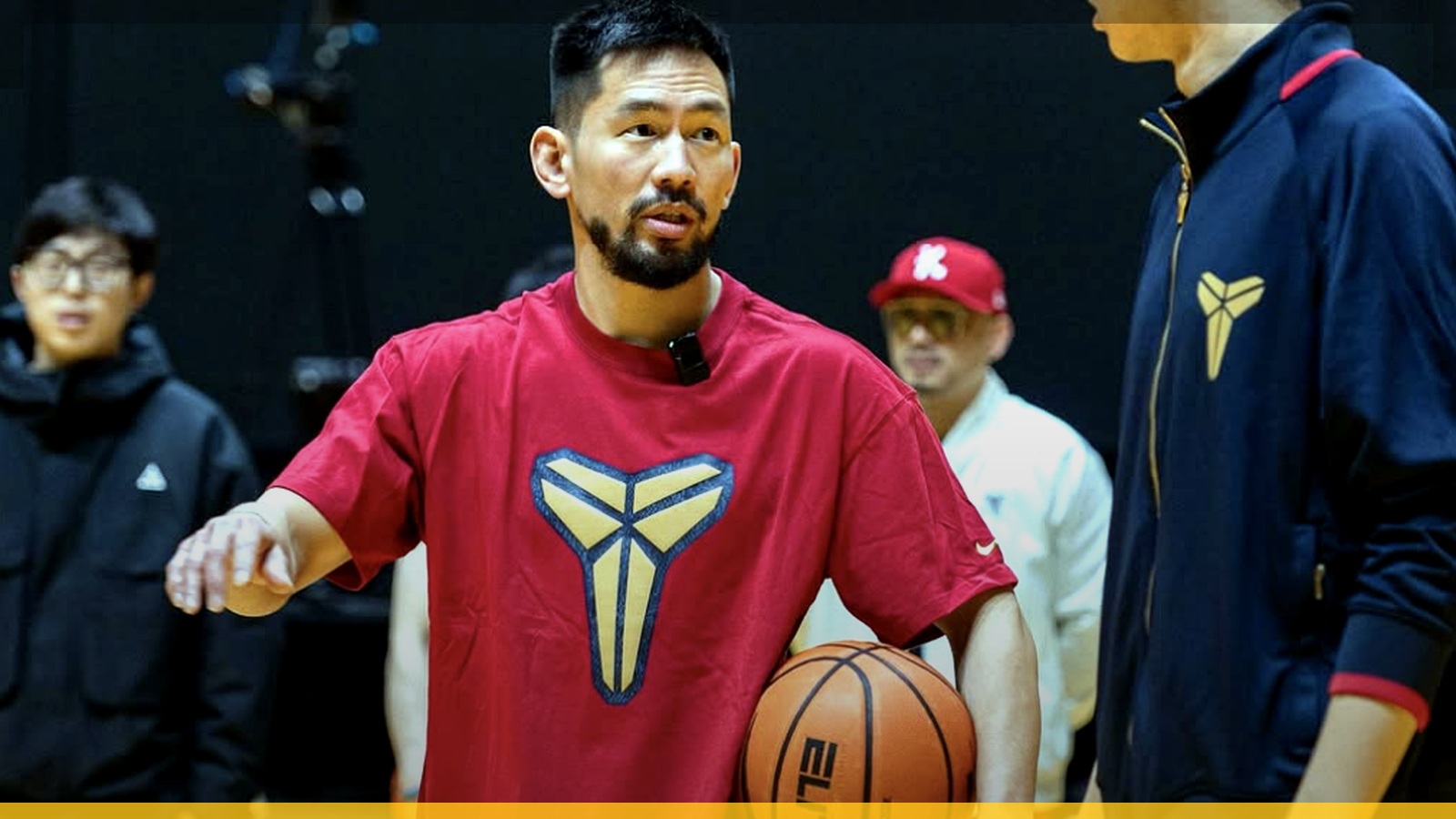
Josh Fan has spent over a decade solving this transfer problem-including 10+ off-seasons working with NBA guard Jeremy Lin. As owner of Awaken Training, Josh developed a framework that bridges the gap between drill work and game performance. The key? Stop stripping the game out of your training.
In this episode of the CoachIQ Podcast, Josh breaks down his approach to structuring sessions that prepare athletes for competition, why traditional methods fail, and the critical skill most players never develop.
In this episode
- How to structure basketball training sessions around needs analysis and game film
- Why the gap between practice performance and game performance exists-and how to close it
- The constraints-led approach to skill development explained without jargon
- What 10+ years training Jeremy Lin taught Josh about off-season focus
- The underrated skill that elite players develop and average players ignore
- Why coaches should be guides, not prescriptive instructors
- Cultural insights from training players internationally

Why traditional basketball training session structure fails
Most basketball trainers have encountered this scenario. A player comes to them frustrated: great in workouts, struggling in games. They shoot well with no defender. They handle the ball cleanly in stationary drills. Then the game starts and everything falls apart.
The issue is how we structure basketball training sessions. Josh explains the disconnect by examining what’s actually different between practice and competition.
“If we just think about the skill itself of shooting in a game, what does a player have to decide on the court?” Josh asks. “Spacing, where is the defender in relation to me? Where are my teammates? Are my teammates open for me to pass to? Where am I in the game situation-is it the fourth quarter and the game is tied, or is it the first quarter?”
That’s five factors a player processes before every shot attempt-and traditional shooting drills address none of them.
The typical workout structure looks like this: pick five spots, make ten from each, work on footwork variations. Nothing inherently wrong with these drills. But there’s no decision-making, no reads, no defensive pressure. The player practices shooting in a vacuum, then wonders why the skill doesn’t appear when context returns.
“You can see why there’s a missing gap,” Josh says. “There’s no decision-making. There’s no making reads.”
How to structure basketball training sessions: Josh’s framework
Every individual workout Josh runs starts long before the player steps on the court. The foundation is what he calls a needs analysis-understanding what the player actually needs based on their game situation, not just what they think they need.
“The first thing I’m always trying to identify is what we’re trying to accomplish or what is the end goal in mind,” Josh explains. “Their age, their training age, how long they’ve been playing basketball and why are they coming to you.”