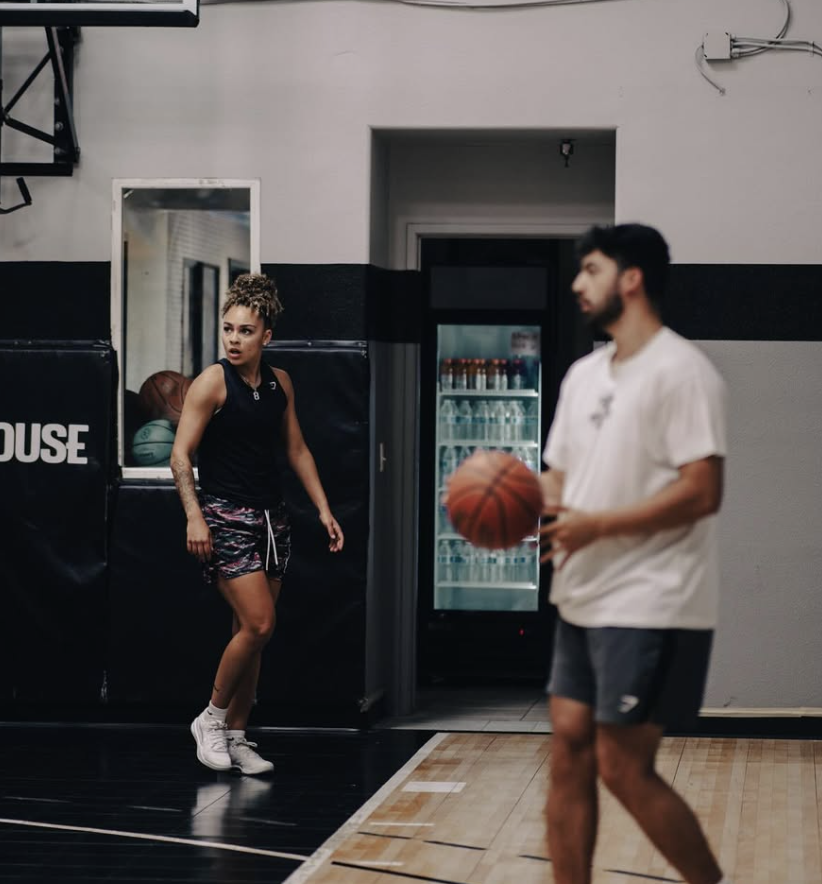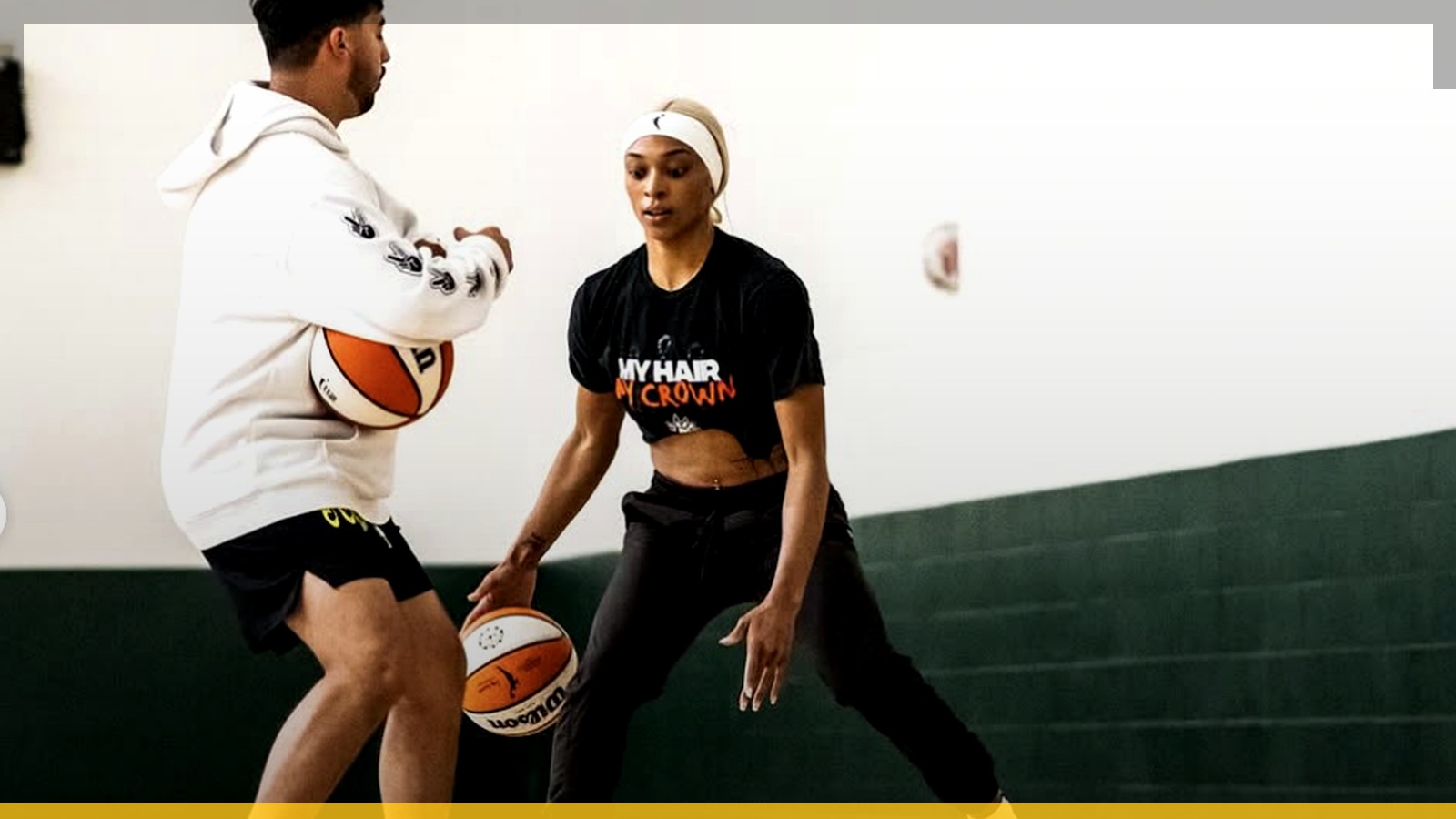
Justin Razooky trains over 200 players every week in a 2,000-square-foot gym using basketball training software that actually works. He’s hosted NBA players, top high school prospects, and trained alongside Jimmy Butler. The space is tight, sessions run back-to-back with zero buffer time, and somehow it all flows seamlessly.
The secret isn’t just great coaching-it’s the basketball training software running behind the scenes. In this episode of the CoachIQ Podcast, Justin breaks down how he and his brother Ryan built The Hoop House into a three-facility operation, why they ditched spreadsheets for real software, and the business lessons every trainer needs to hear.
In This Episode
- Why Justin went from Google spreadsheets to CoachIQ (and never looked back)
- The credit-based model that increased revenue and client flexibility
- How to design high-energy sessions in small spaces
- The real difference between trainers who grind and trainers who build businesses
- Why chasing pros might be the worst move for your training career

From Spreadsheet Chaos to Real Basketball Training Software
Before CoachIQ, The Hoop House ran on a Google spreadsheet. Every new client meant manually adding names, tracking which days they’d committed to, and color-coding whether payments came through.
“We had a kid, say the kid’s name is Daniel, we go ‘All right Daniel, you want to come twice a week? Mondays, Wednesdays? Cool, you’re going to come Mondays and Wednesdays,'” Justin explains. “So imagine just having to write down all these kids manually. We’re highlighting them if they’re not going to come, bolding their names. Highlighting them in red if they weren’t showing up, green if their payment went through.”
At 200 players a week, that system becomes pure chaos. Trainers become secretaries instead of coaches-the same breaking point Jeff Schmidt hit when he was spending 5-6 hours every Sunday managing schedules via text.
The Hoop House tried building their own software. The payment processing didn’t align with their needs. Then they found CoachIQ.
“CoachIQ is probably the greatest app that I’ve personally used as far as organization,” Justin says. “Having a branded app that integrates-we have the Hoop House app on iPhone and Android-is the greatest lifesaver.”
The switch enabled them to move from a rigid session model to a credit-based scheduling system where clients purchase credits and book whenever availability opens up. Similar to how Pilates studios operate-flexible for the client, more efficient for the business. It’s the same shift toward optimizing revenue per hour that’s helping trainers across the industry maximize their earning potential.
“We figured out that we were able to actually make more with less, just maximizing,” Justin says. “We’ve had so many players just come back to The Hoop House because of our new schedule, because it was more flexible.”
Designing Basketball Training Sessions in Small Spaces
The Hoop House isn’t a massive facility. The actual gym space is just under 2,000 square feet with three hoops. But Justin runs 12 to 14 kids at a time, sessions stacked hour after hour with no breaks between.