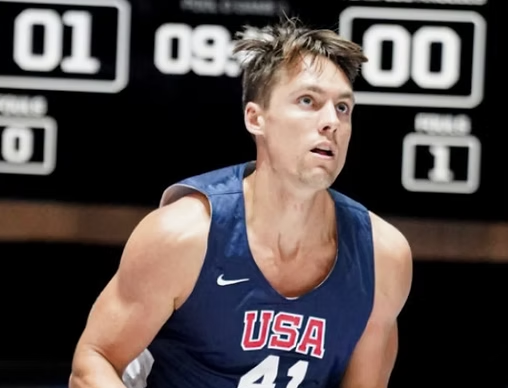
Imagine coaching a national team where one cold shooting stretch in a 10-minute game sends you home. You fly 30 hours to Mongolia. Play 10 minutes. Lose. Fly home.
Now imagine running a 100-kid youth basketball league with zero parent complaints in two years. No drama. No sideline coaching chaos. Just pure basketball development.
Will Ferris has done both. As Team USA 3×3 coach and creator of a thriving youth 3×3 league on Bainbridge Island, Will has mastered how to run a youth basketball league with zero drama while building culture under pressure and creating systems that scale. Whether you’re coaching at the highest levels or just starting out, his approach applies.
In this episode of the CoachIQ Podcast, Will breaks down the counterintuitive culture techniques that transformed his teams and the exact systems he used to scale a youth basketball league to 100 kids without the chaos.
In this episode
- Team USA 3×3 coaching: Why ego has no place in 3×3 and how coaches can’t talk during games
- Culture strategies: Winners get to run, cookies after losses, learning from success over failure
- Youth basketball league model: The exact structure, marketing, and systems for running a 100-kid league with zero drama
- 3×3 basketball development: Why 3×3 creates better decision-makers than five-on-five
- League systems: How to market, register, communicate with, and manage 100 families using automation

Learning from success: the culture approach most coaches get backward
After Team USA lost to Germany in the World Cup quarterfinals, Will’s team sat in silence for 30 minutes. Not a word. When they won games, they spent five minutes celebrating before diving into mistakes. But after losing, they sat receptive, processing, learning.
Will realized his team was most open to growth after failure-and that’s a problem.
Most coaches build cultures that only learn from losing. Film sessions focus on mistakes. Practices emphasize fixing what’s broken. Players develop a threat-based mentality where they’re constantly defending against criticism.
Will flipped it. He started showing three minutes of great clips before any corrections. He asked players what they learned from success, not just failure. The guys on Team USA called him out: “Man, it’s weird that you show all these good clips all the time.” But it worked. Players stayed present, confident, and receptive-not tight and defensive.
This isn’t soft coaching. It’s strategic. When athletes are threatened-defensive, stressed, fearful-they can’t perform at their peak. The coaches who master this build cultures where athletes learn from winning and losing equally. Similar to coaches like Joey Hewitt emphasize with mental performance training-being present and eliminating the results paradox where obsessing over outcomes hurts performance.
Counterintuitive culture techniques from high school
Will’s high school culture strategies sound backward but work:
Winners get to run. Most coaches use running as punishment. Will made it a reward. Running became a standard for being the best team, not a consequence for being the worst.
Cookies after blowout losses. When Bainbridge got destroyed by their rival, Will brought cookies and they played dodgeball. The message: outcomes aren’t everything.